


Skip to content
Radar Systems

DRONEWATCHER™ Drone Detection and Defense Systems

DeTect developed the DroneWatcher system for the detection and defense of small unmanned aerial vehicles (UAVs), using technologies that can operate independently or together to provide wide-area drone control.

DroneWatcherRF

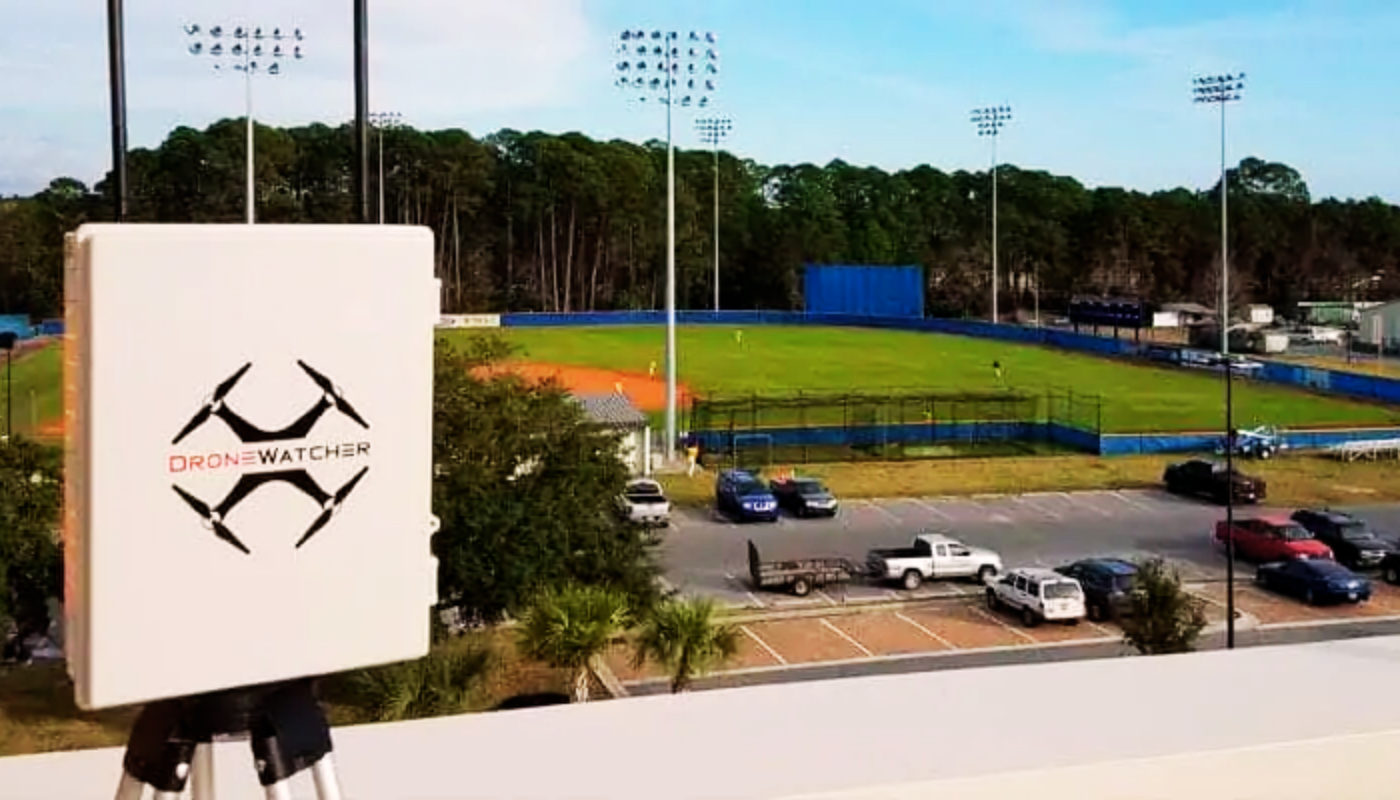
DroneWatcherRF is a system capable of detecting more than 95% of commercially available drones and provides detailed information including drone type, identity, and other data.

DroneWatcherRF is housed in an unobtrusive electrical enclosure installed around the facility and requires only basic power and network connectivity. Self-contained solar-powered and cellular-connected versions are also available.

New drone signatures are continuously added to DeTect’s DroneWatcherRF identification database.

DroneWatcherRF also includes DeTect’s proprietary drone interdiction and initiation functions.

HARRIER DSR

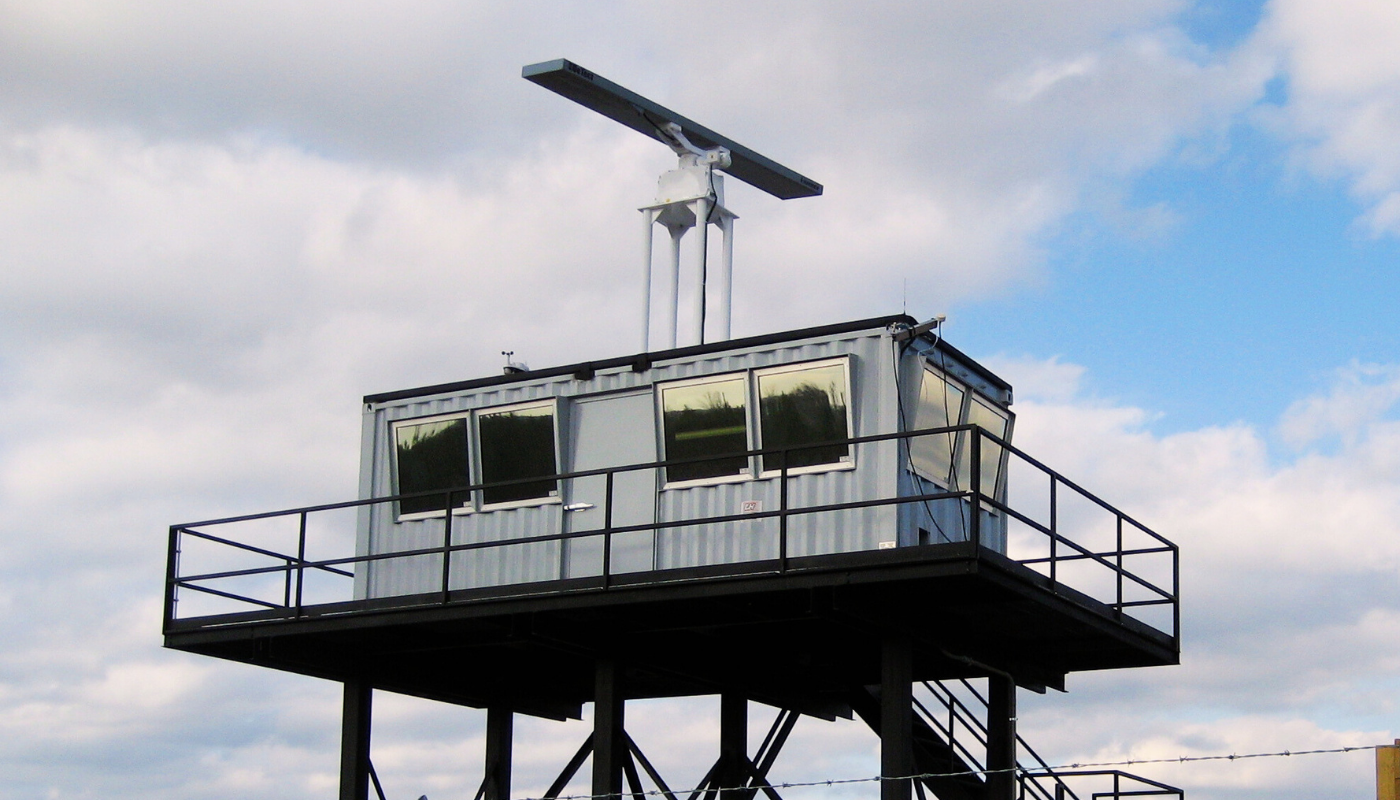
HARRIER DSR (Drone Surveillance Radar) is a primary surveillance radar specifically designed to detect and track small, low-flying, non-cooperative drone targets in high-noise environments.

DSR can detect and track small consumer-class, prosumer, and military-class non-cooperative drones within visual line of sight and at extended ranges. It also provides longer-range detection capabilities for larger UAVs.

HARRIER DSR detects and tracks uncontrolled or programmed drones flying on autopilot that may not be detected by DroneWatcher APP and DroneWatcher RF. It can also be integrated with a wide range of supporting systems, including video systems and DeTect or third-party countermeasure technologies.
DroneWatcher™ Layered Drone Surveillance and Mitigation

DeTect’s DroneWatcher airspace surveillance radar system provides a flexible, highly customizable, multilayered solution for detecting, tracking, alerting, and countering drones and small unmanned aerial vehicles (sUAVs). The system incorporates signal intelligence (SIGINT) and radar technologies.

Each DeTect technology can be used as an independent sensor or combined with other sensor technologies to provide security tailored to user requirements. In addition, the drone detection technology can be upgraded to address security challenges created by continuously evolving drone capabilities, features, and threats.

HARRIER DSR provides detection and tracking of non-cooperative, non-RF-controlled, or automatically programmed drones and UAVs. Both DroneWatcher and HARRIER DSR can incorporate DeTect’s proprietary drone interdiction and initiation functions.

DroneWatcherWEB is a DeTect service that provides each user site with a real-time, consolidated, and customized situational-awareness web display. It offers a flexible architecture, including wide-area views for large complexes, cities, and districts. It also provides customizable visual, audible, and text-based alert options.

The web service also records all detections made by the sensors. These records include drone identification signatures, location information, flight paths, and other parameters. The data can be used to support legal proceedings related to unlawful violations.

HARRIER™ Drone Surveillance Radar

HARRIER DSR uses an advanced, military-grade, solid-state Doppler drone-detection radar for detecting targets with small radar cross-section (RCS) values in complex environments. It reliably detects non-RF-controlled and GPS-programmed flying drones at detection ranges of 2+ miles.

DeTect’s solid-state drone radar technology provides significantly higher performance, longer service life, and lower maintenance costs compared with conventional magnetron-based systems.

HARRIER also includes an advanced SQL database system for real-time classification of drone targets and rejection of false-positive targets caused by birds. The system interfaces with third-party video, acoustic, and other technologies. It also includes an integrated web service that provides real-time user situational-awareness displays for specific sites and regions.

HARRIER has an outstanding performance record at the following general detection ranges:

  • Large class (Global Hawk class): 14+ nautical miles

  • Medium class (Raven class): 4–6+ nautical miles

  • Micro UAVs (DJI Phantom class): 2+ nautical miles

DeTect’s HARRIER system also includes DeTect’s proprietary drone interdiction technology. The system can also integrate and control third-party countermeasure technologies.

Integrated and Interoperable Technology

DroneWatcher and HARRIER systems can operate as independent facility and force-protection systems that detect and generate alarms for perimeter violations occurring by air, water, or land.

The systems are also multifunctional. They can be programmed to detect violations of predefined site boundaries or restricted areas; simultaneously determine the locations of sUAVs, aircraft, ultralight aircraft, ships, and boats; track these targets; and generate alarms when required.

The systems provide automatic visual and audible notifications to security and law-enforcement units through DeTect’s web service. These notifications can be delivered via text message, radio, or mobile phone, or viewed directly at remote monitoring stations.

Automatic detection and tracking capabilities include user-defined monitoring and alarm zones. Systems are available in fixed skid-mounted and mobile configurations. They can be expanded linearly within a network architecture to cover large areas and routes such as border crossings, coastlines, and large facilities.

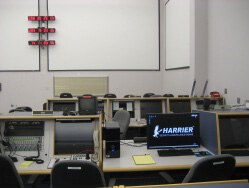
DeTect’s technology is highly customizable. Radar, video, thermal detection, and acoustic deterrence systems can be combined on a single user-interface display together with advanced alarm and response capabilities. The system can be viewed in real time and controlled remotely.

Key HARRIER Features

  • Microsoft Windows-based operating software

  • User screens and interfaces developed for non-technical users

  • Integrated radar, thermal imaging, video, acoustic, sonar, and deterrent systems

  • Smart Radar capability providing real-time target identification

  • Automatic rejection of false positives caused by birds

  • Video zoom and deterrent activation using a “point-and-click” method on the display

  • Compatibility with other security and display systems

  • Site-specific base maps

  • Mobile mapping technology

  • Identification and tracking of each target based on size, position, speed, and heading

  • Audible and visual intrusion alarms

  • Optional notifications via email and radio communication

  • Automatic data recording, archiving, and reporting


Related Products

Have questions?