CEMENT PRODUCTION: Level Measurement in Clinker Cooling
Cement production processes involve complex systems that require energy-intensive operations and continuous improvement. A project carried out by TLY Energy provides an innovative solution to overcome the unique challenges of the cement industry. The project focuses on the clinker cooling process within a cement plant and aims to enhance the efficiency of this process, thereby improving overall cement production quality.
Project Details
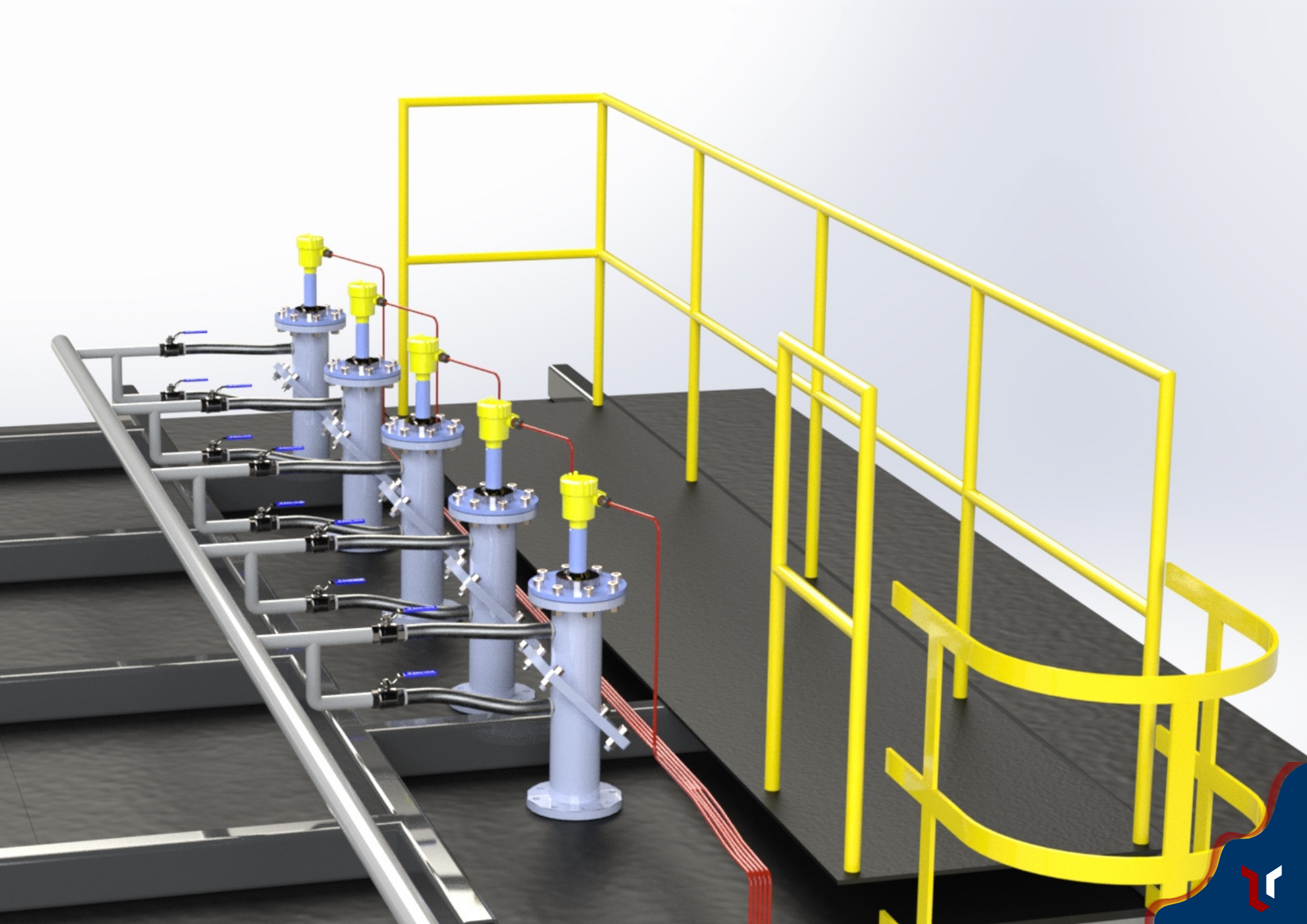
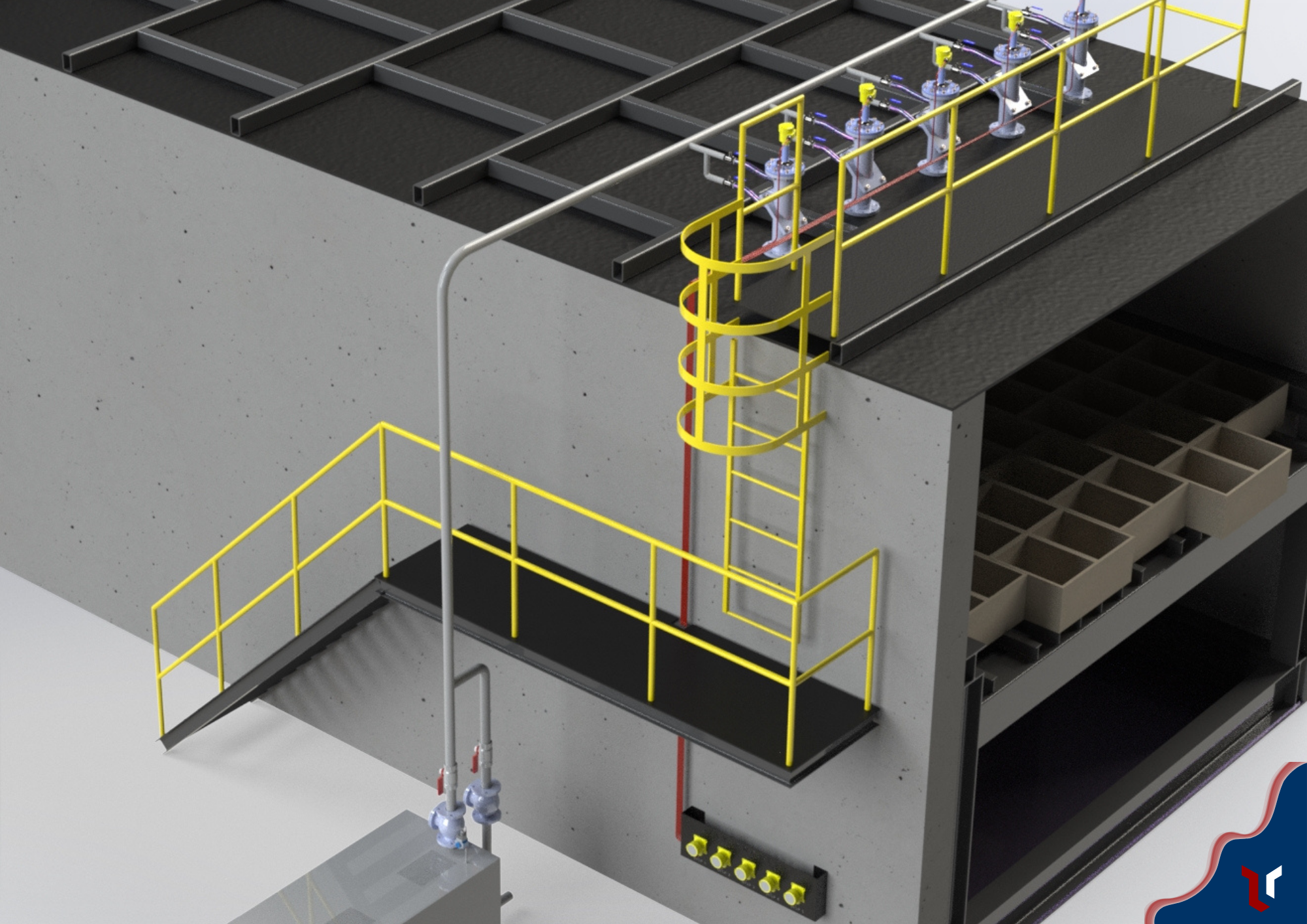
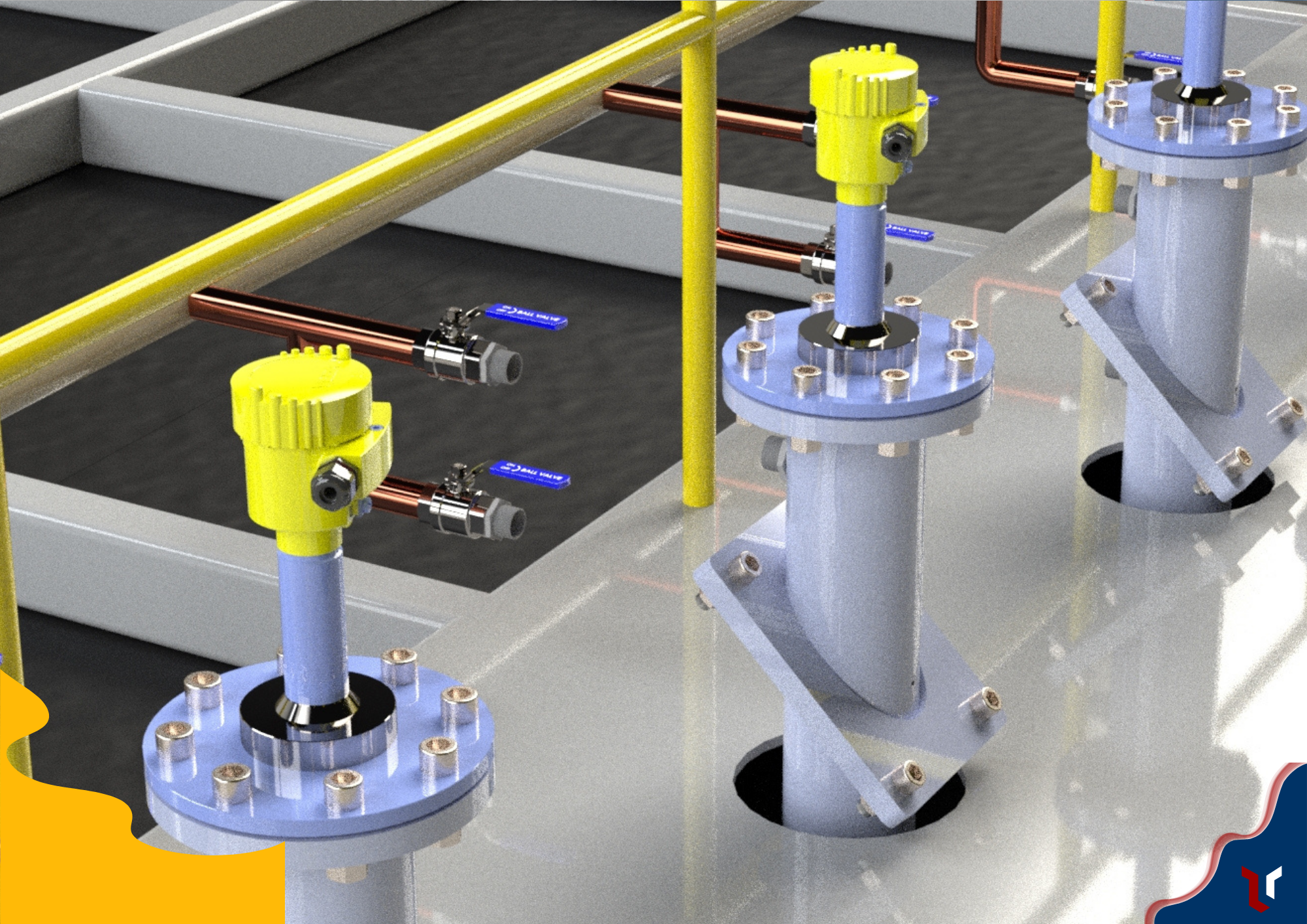
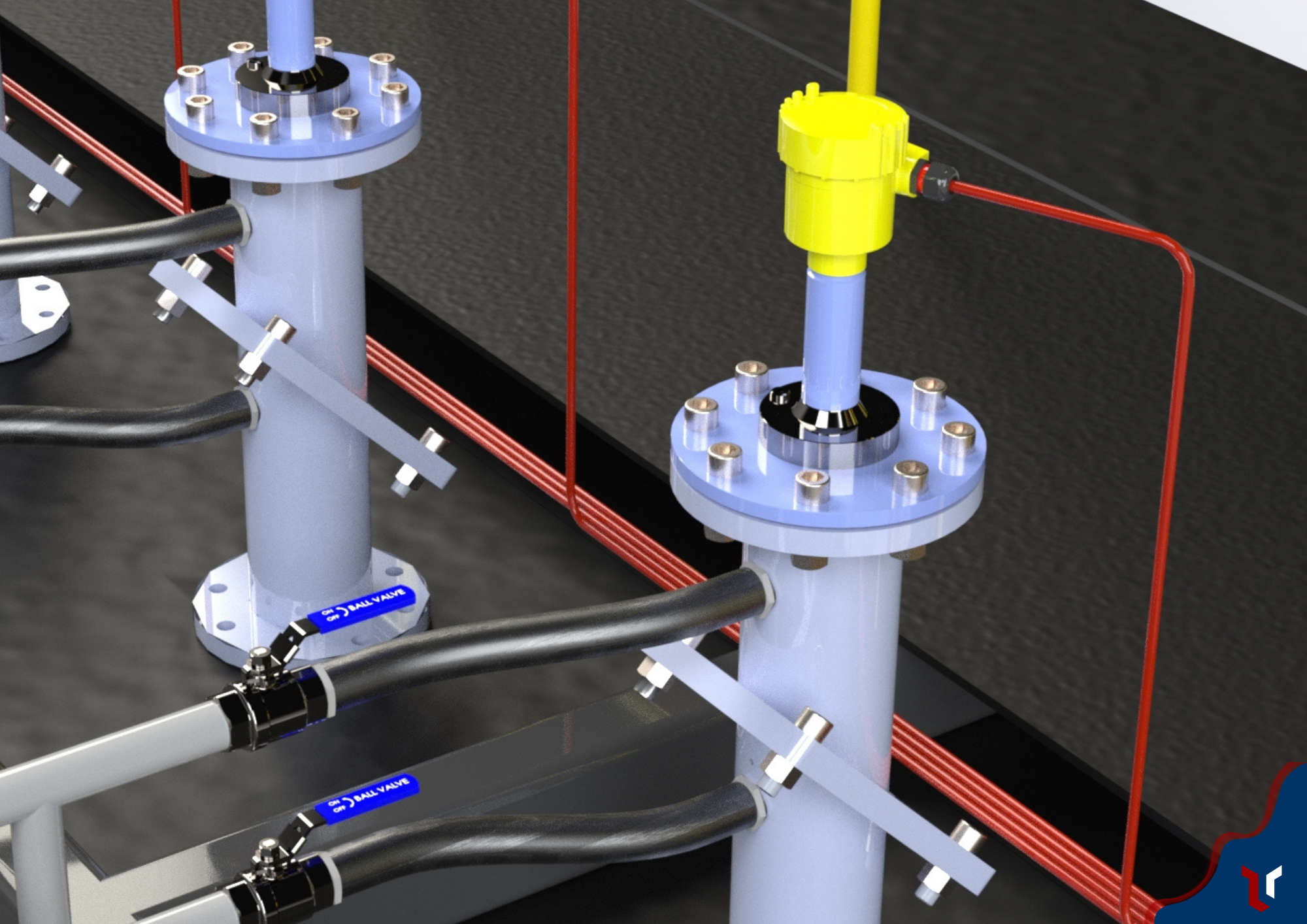
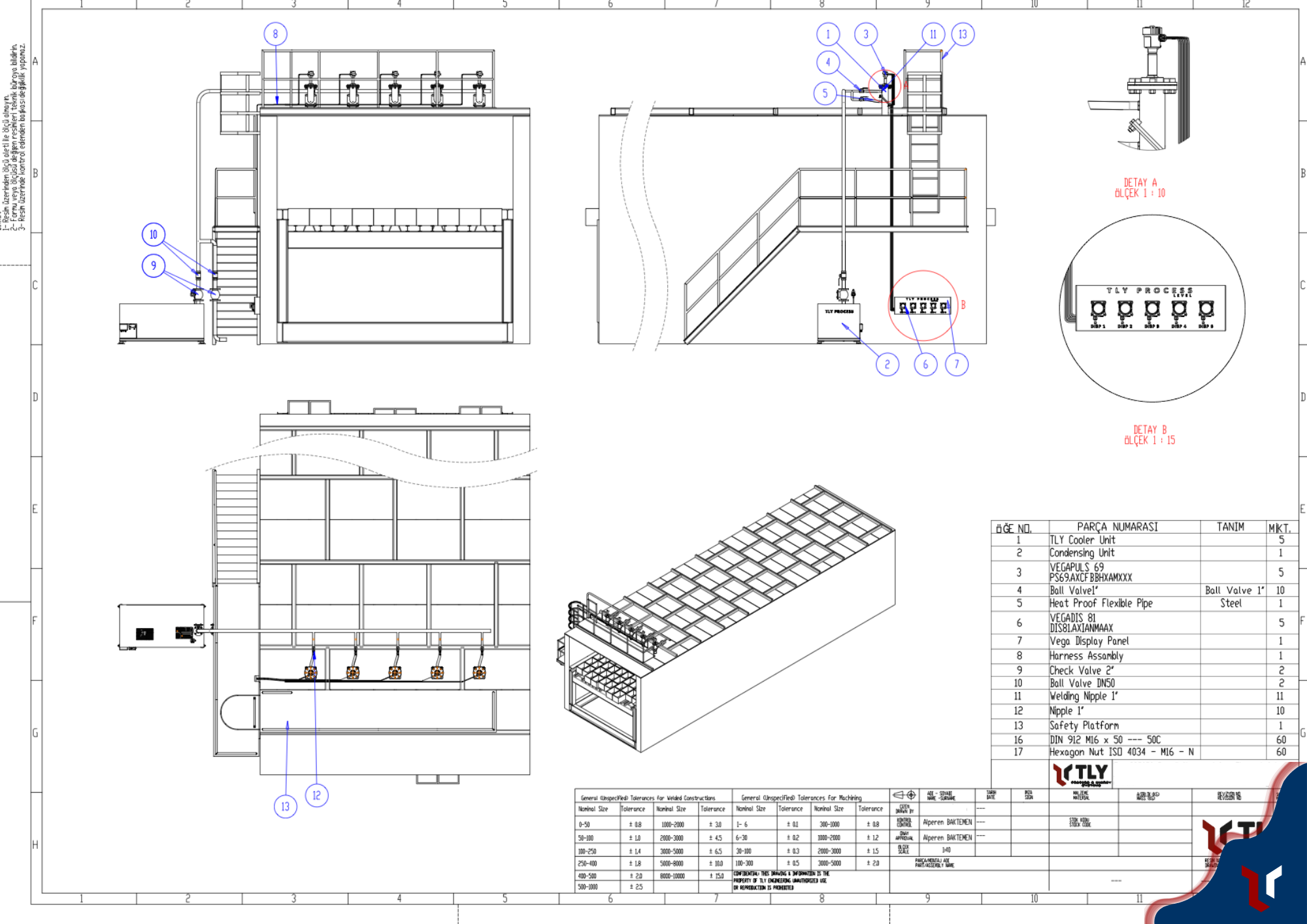
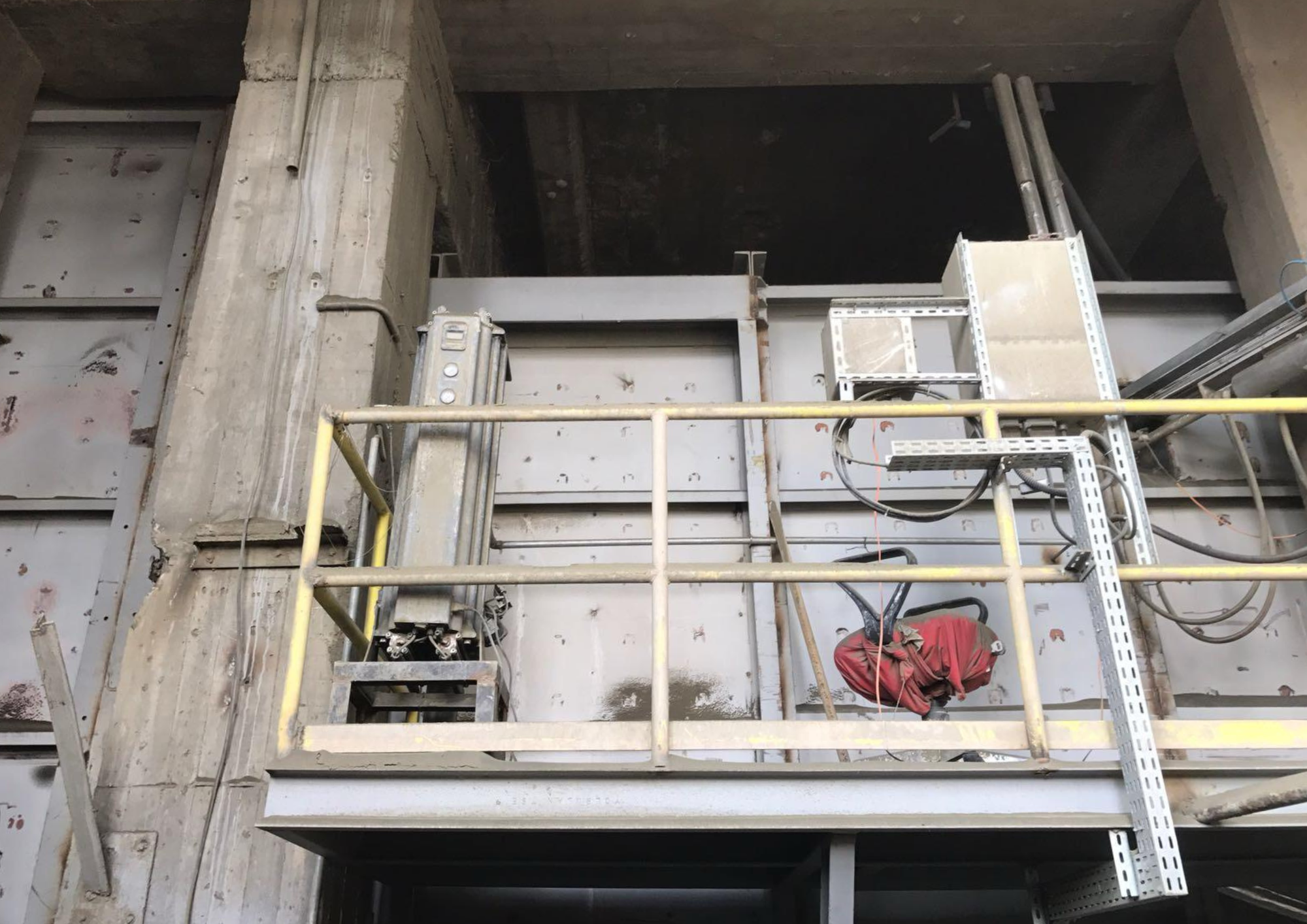
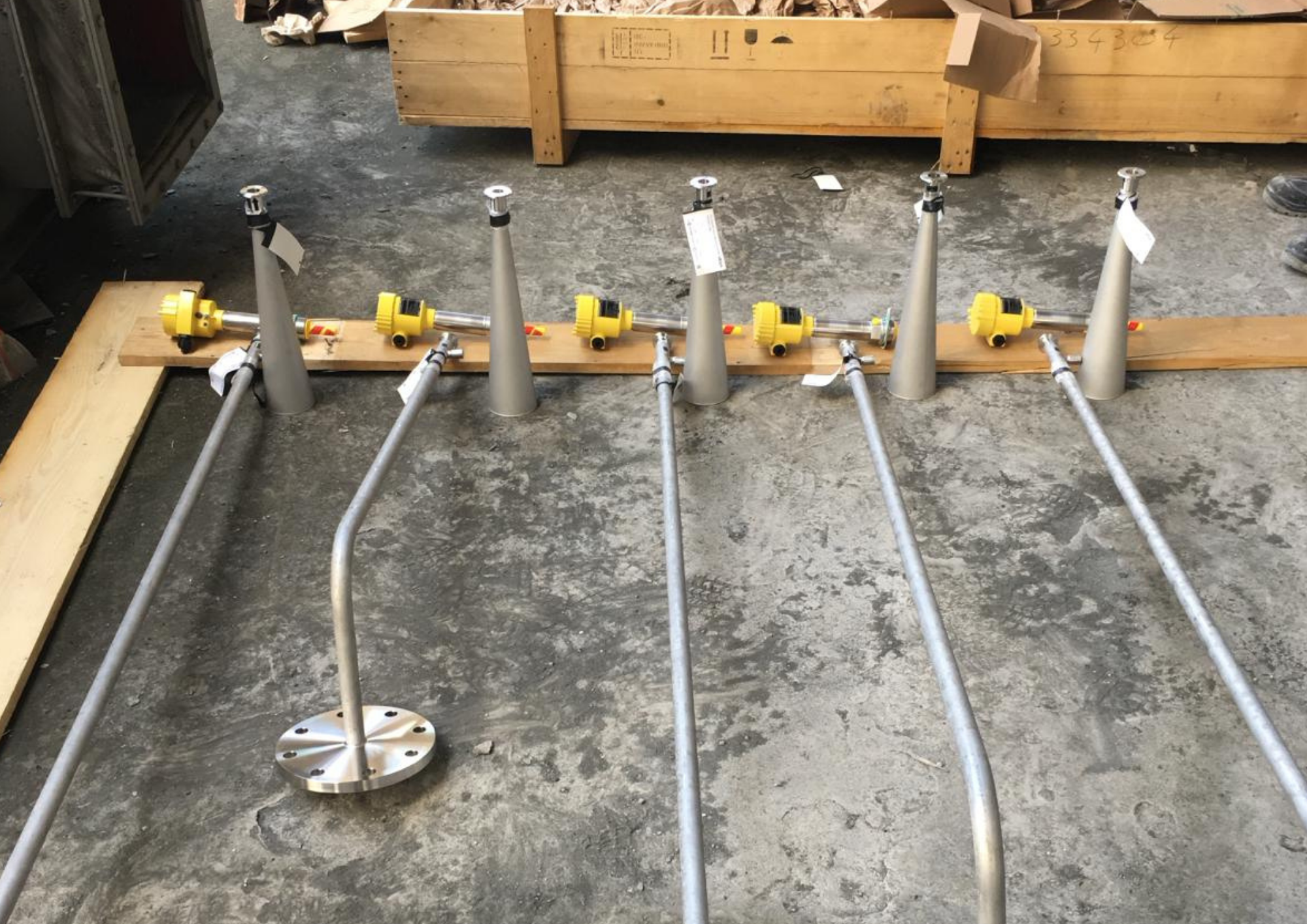
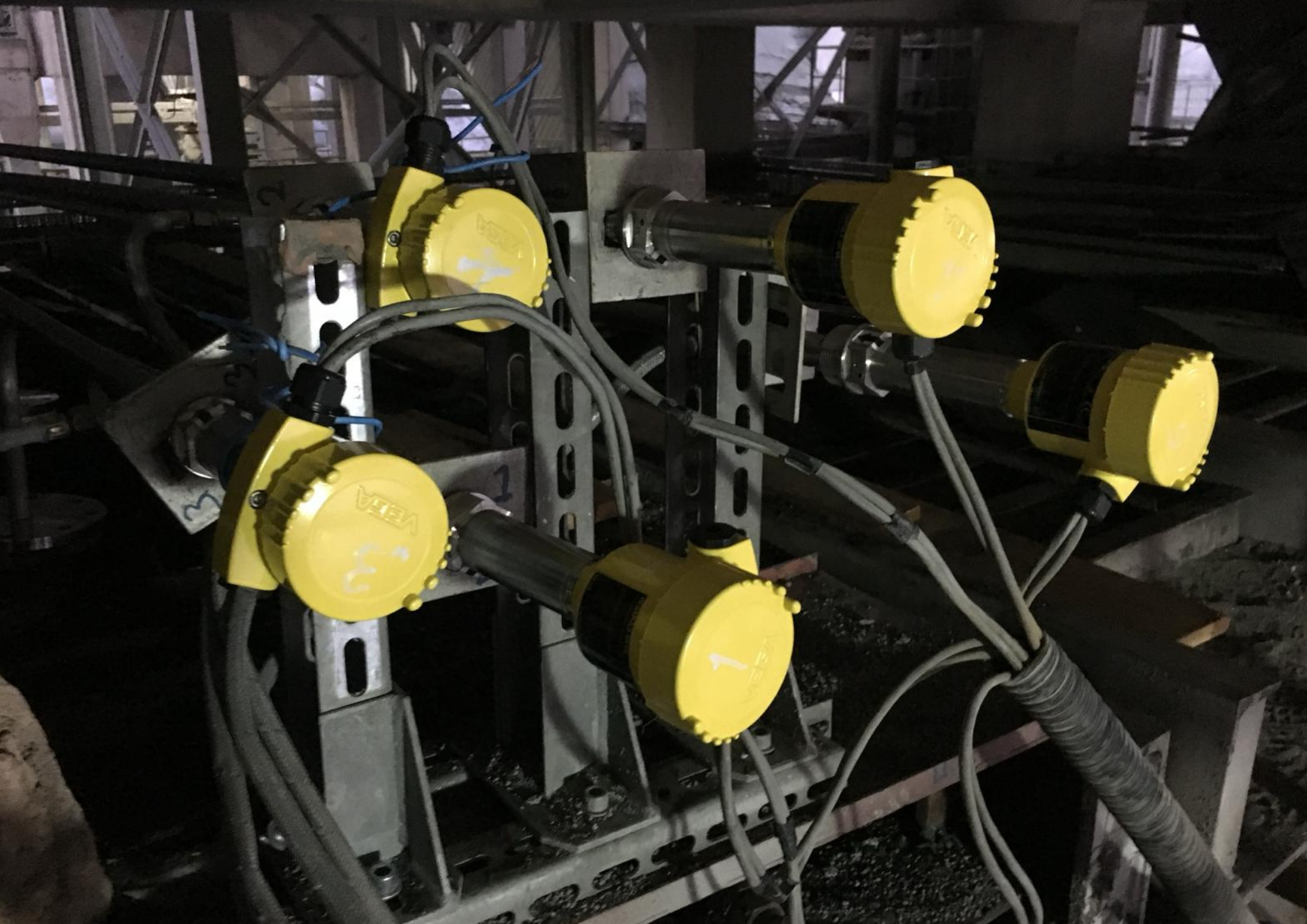
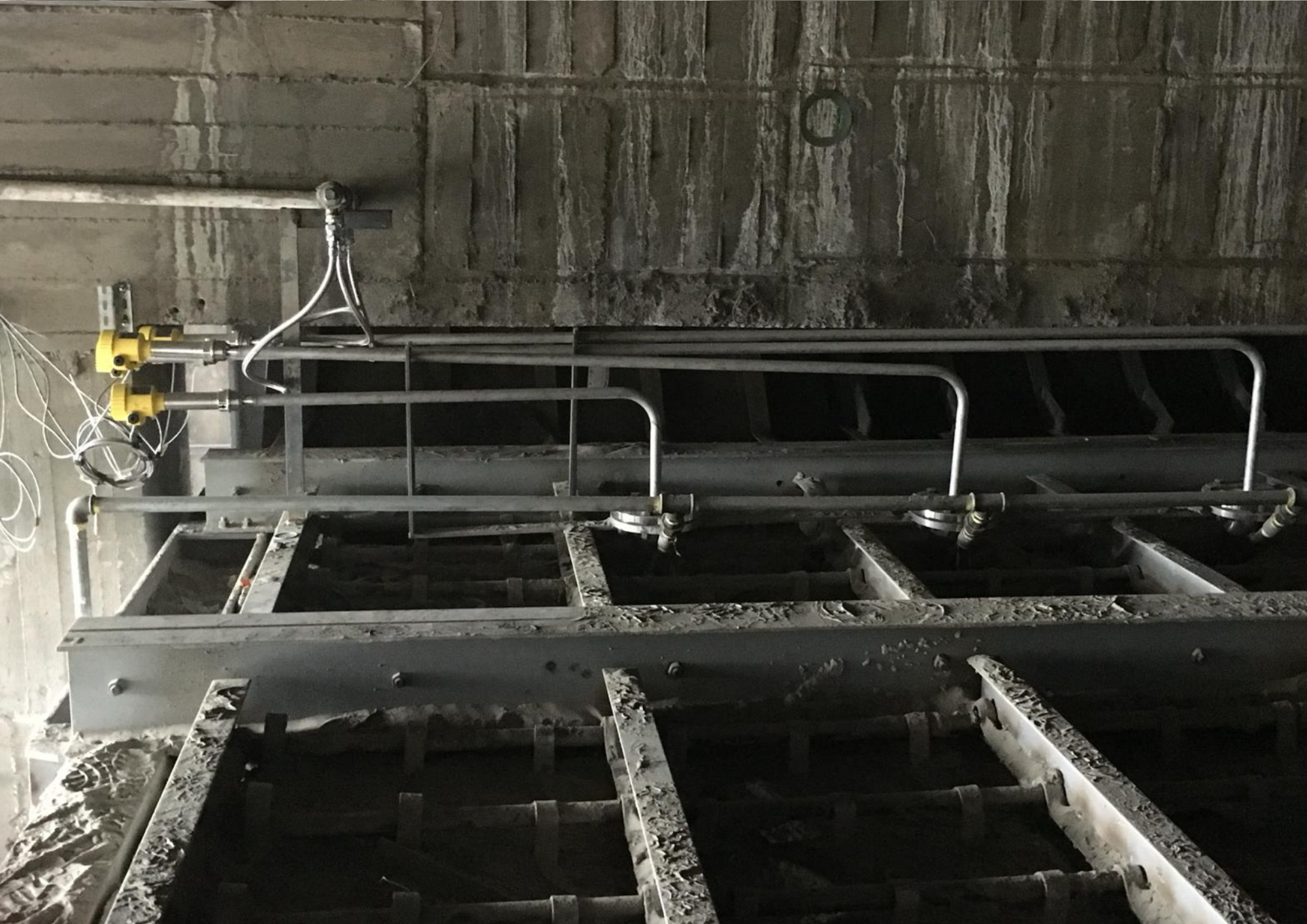
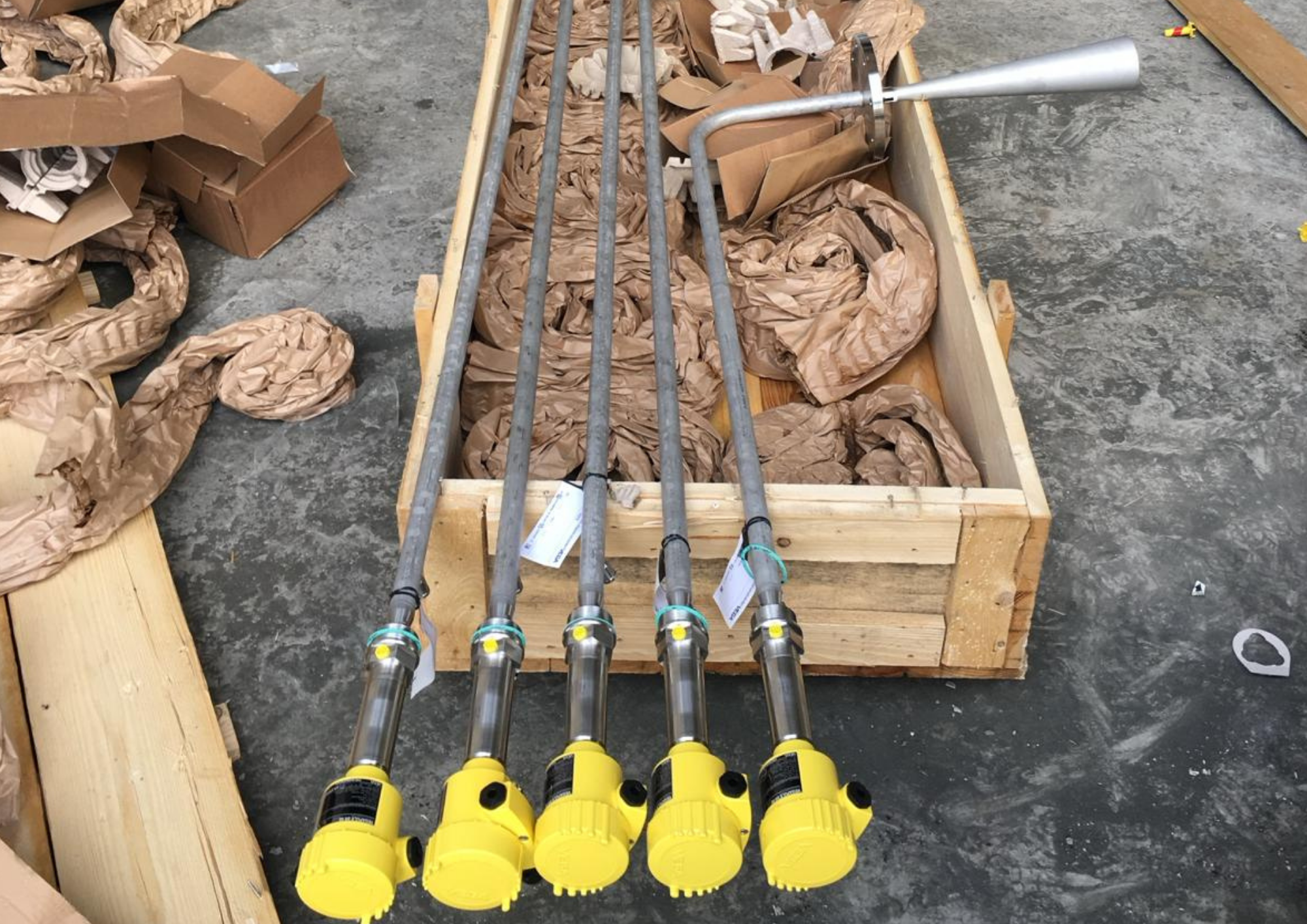
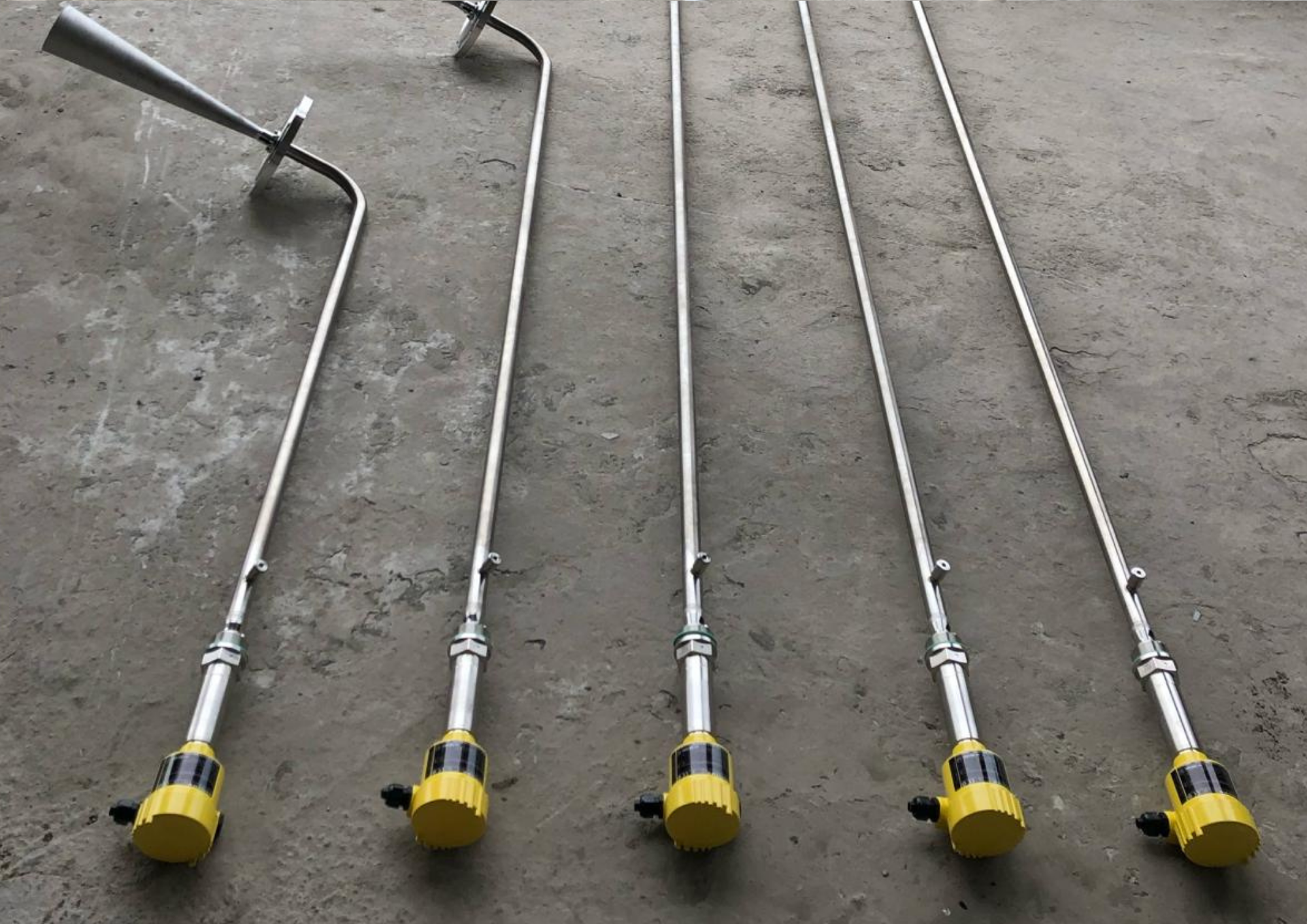
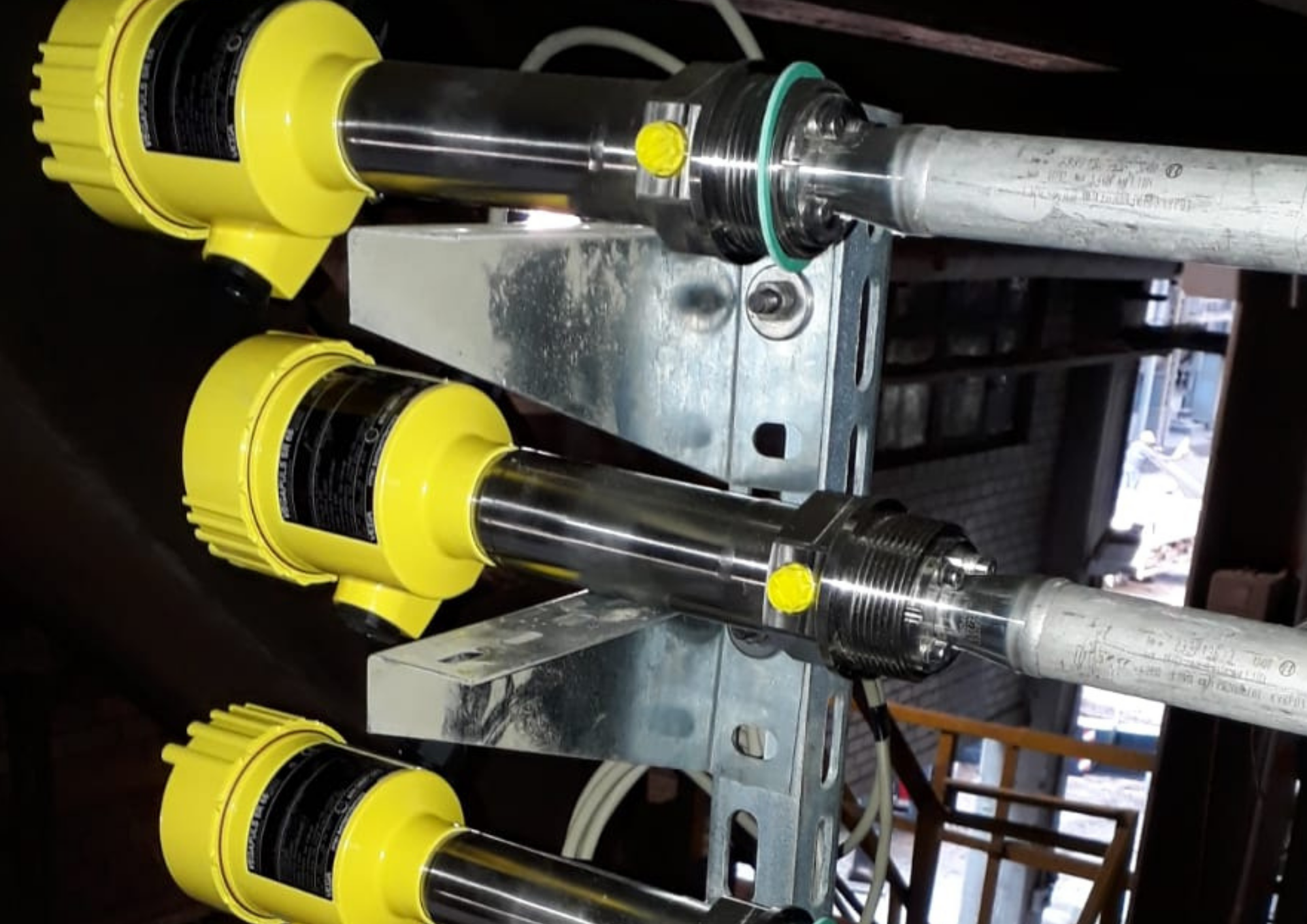
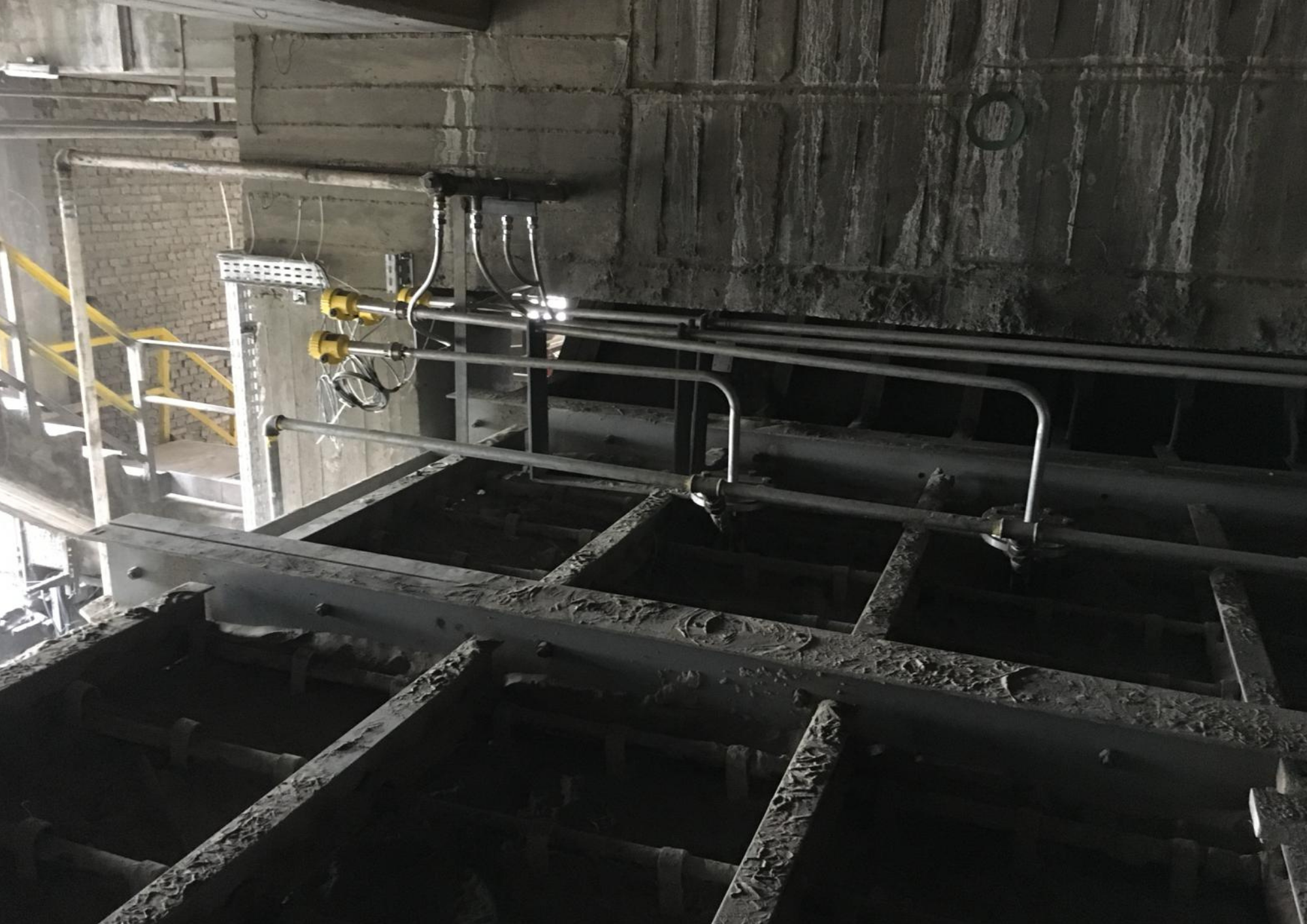
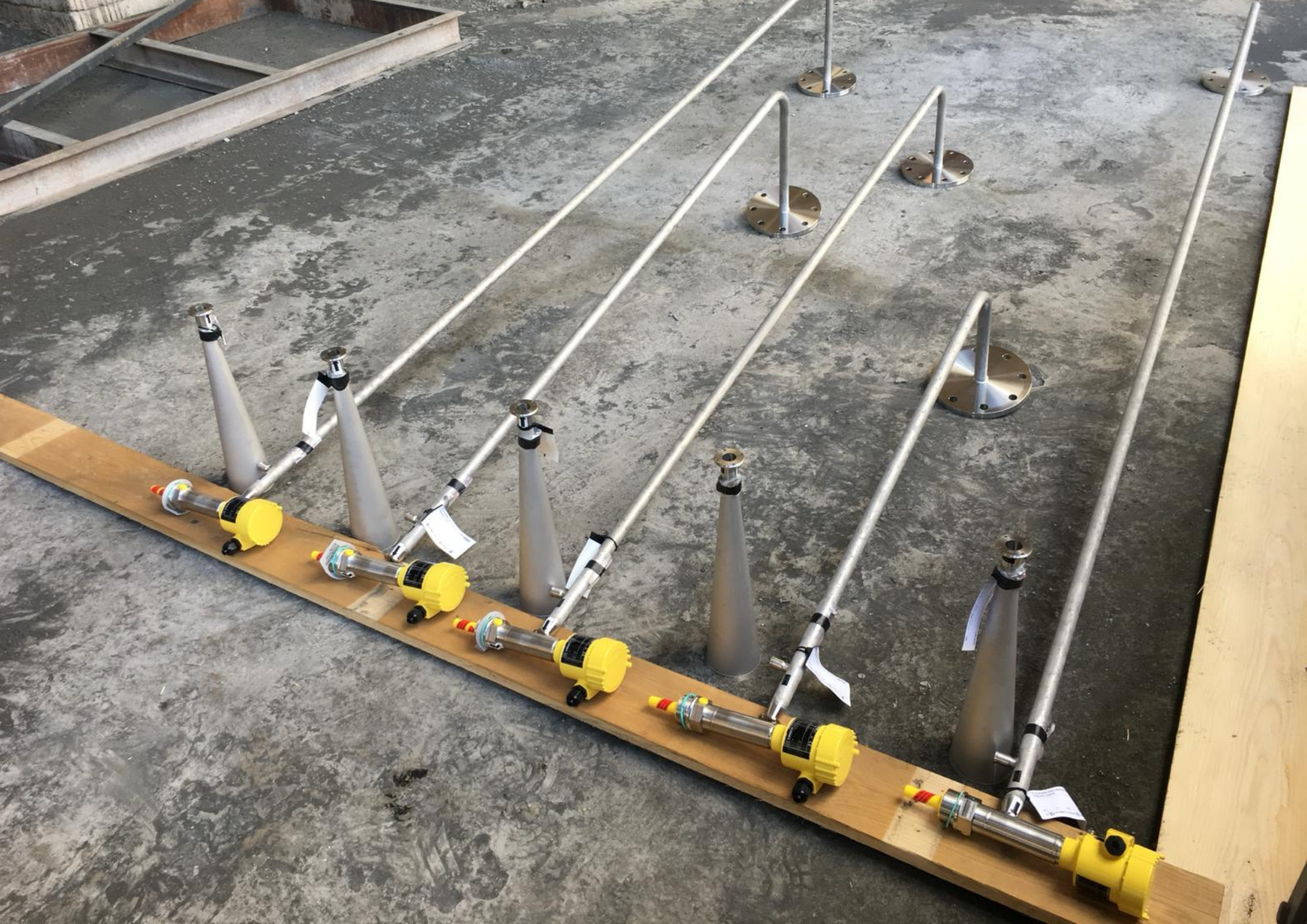
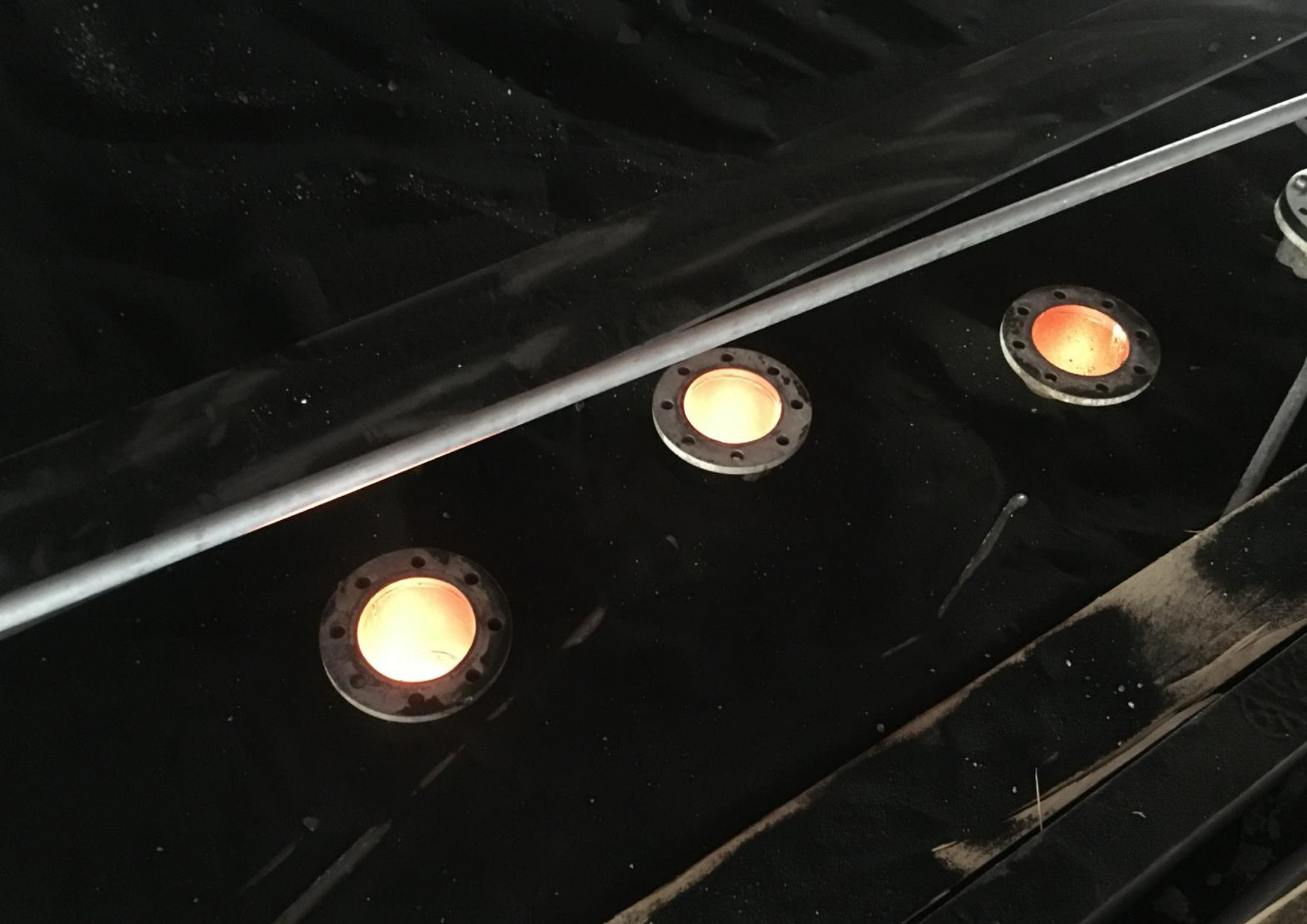
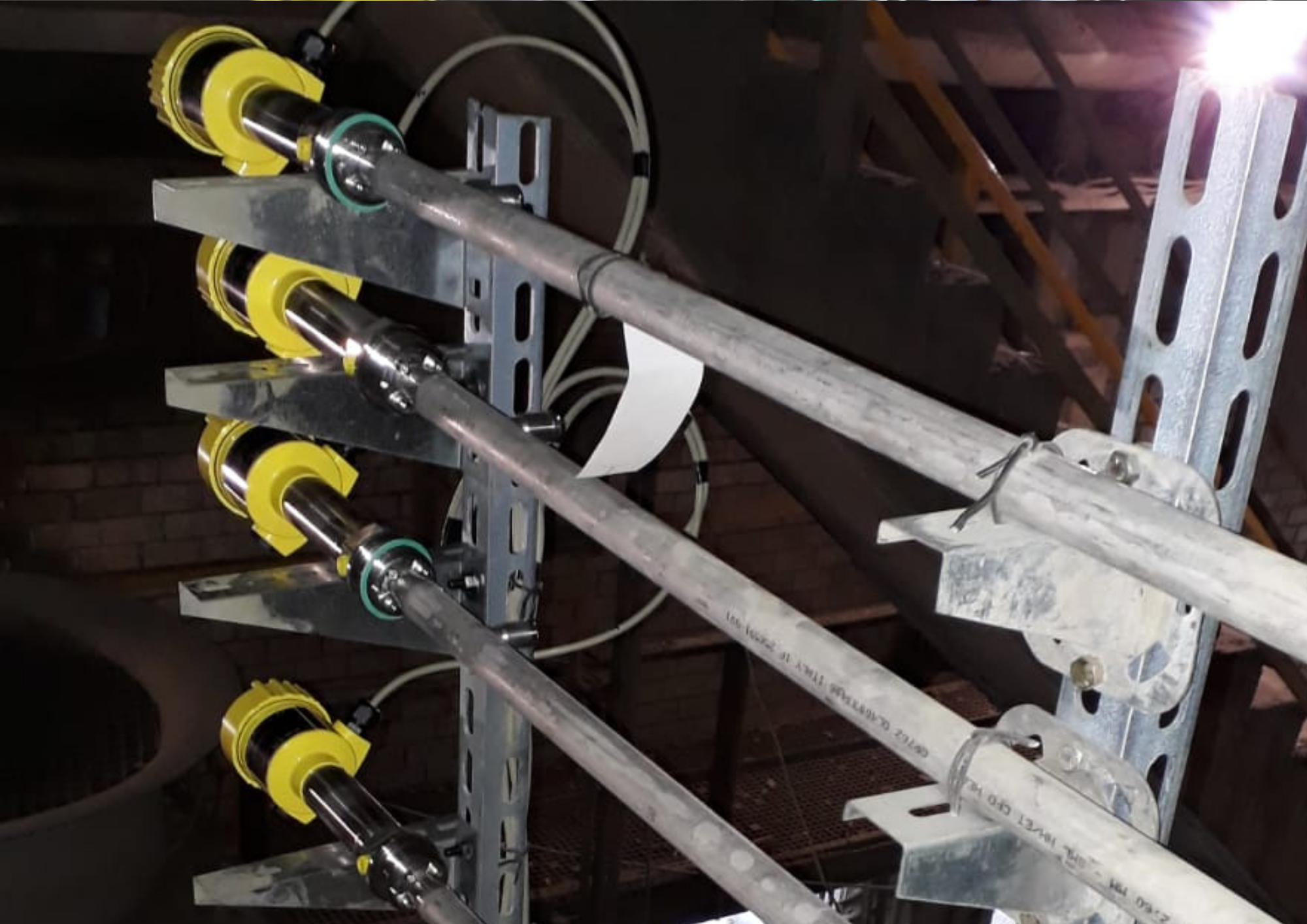
In this project, a total of five VEGA non-contact radar level sensors were installed on five different clinker cooling lines, with one sensor specially designed for each line. While the clinker cooling process operates in an environment with temperatures reaching 1,345°C, the sensors themselves are normally rated to withstand temperatures of up to 200°C. The TLY Energy engineering team developed a specialized design that enabled these radar level sensors to operate effectively within a process environment reaching 1,345°C. Thanks to this innovative solution, the radar level sensors were able to perform reliably without being directly exposed to excessive temperatures.
Project Objectives and Results
Energy Efficiency:
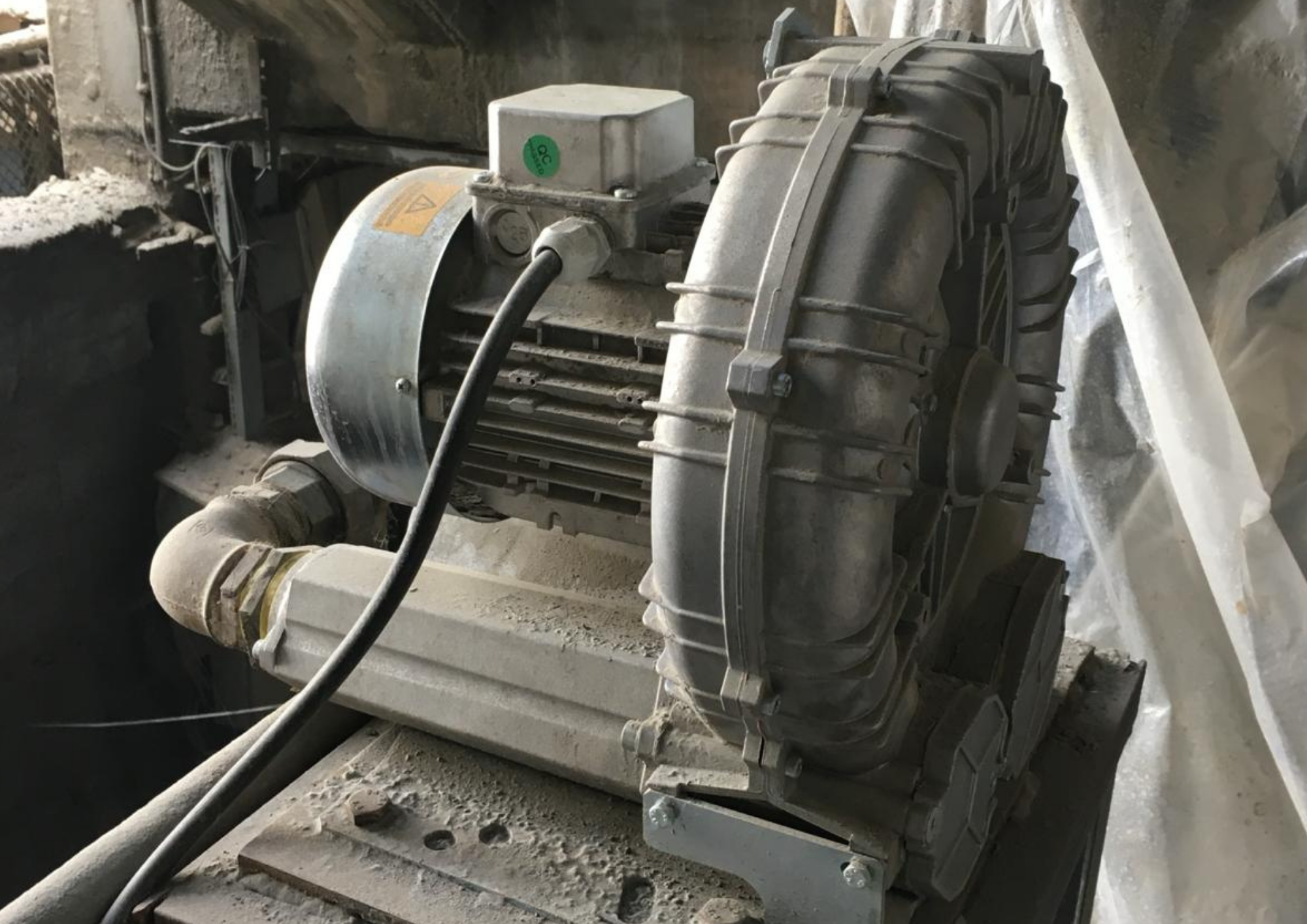
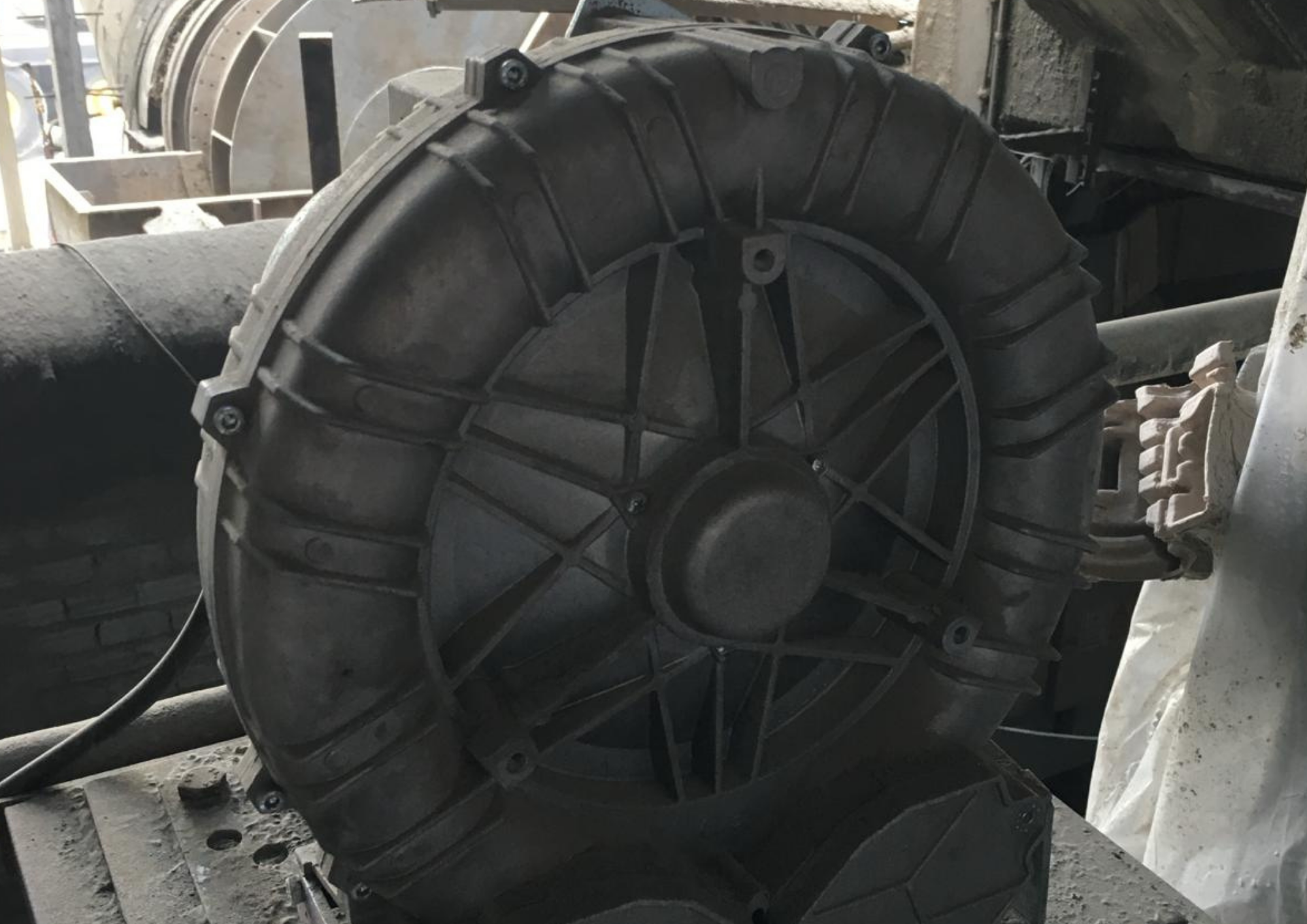
One of the largest energy consumers within the cement plant is the clinker cooling fan system. These fans are controlled through a PID control strategy based on data received from the radar level sensors. Instead of operating at a constant speed, the fans dynamically accelerate or decelerate according to the clinker level, optimizing overall energy consumption.
Production Quality:
Level measurement within the clinker cooling process contributes significantly to improving clinker quality. Through PID-based adjustment of the cooling lines and fans, more uniform clinker cooling is achieved, resulting in enhanced final product quality.
Prevention of Equipment Failures:
The project prevented damage to the conveyor belts responsible for transporting clinker from the cooler discharge area, where excessive temperatures could otherwise cause significant wear and failure. This approach reduces maintenance costs, prevents equipment breakdowns, and ensures uninterrupted production operations.
Within the scope of this project, TLY Energy successfully completed the project engineering design, technical drawings, equipment supply, installation, and commissioning activities. Through this implementation, TLY Energy achieved a significant milestone in enhancing energy efficiency, improving production quality, and ensuring operational reliability within the cement industry. The technologies and innovative solutions applied in this project provide effective methods for overcoming industry-specific challenges.
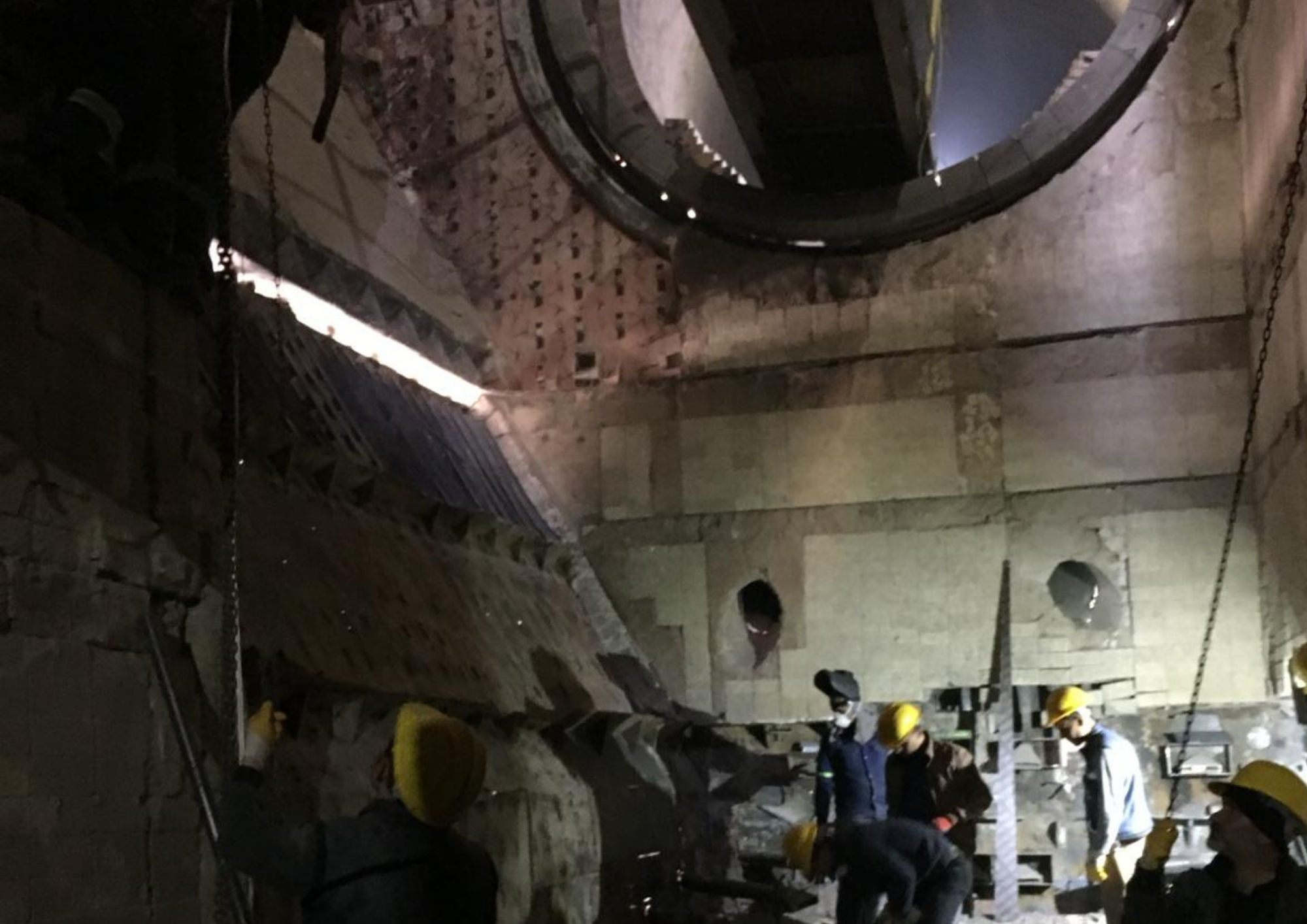
Application photographs and technical drawings related to the project are presented in detail on our company website, allowing visitors to explore this successful implementation more closely.