



Pyrolysis oil should be heated to the lowest temperature that keeps it pumpable and meterable, as close as practical to the point of use, indirectly and from low-temperature surfaces. Viscosity sets the lower edge of the heating window and the oil's thermal stability sets the upper edge, and both are found from analysis of the actual product. For biomass fast pyrolysis oil, VTT recommends 40–80 °C for pumping, to keep viscosity down while limiting decomposition. IEA Bioenergy notes that oil heated to 100 °C or more reacts rapidly and eventually leaves a solid residue of about half its original weight. Those numbers do not transfer to tire or plastic oils, whose limits can only come from testing that specific product.
A general comparison of heat tracing methods is on the heat tracing page for heavy oil and fuel oil lines. This page is about what makes heating decisions for pyrolysis oil different: thermal stability.
Why heat, and why sparingly?
Heat brings viscosity down to a level the pump, strainer and meter can handle. VTT's report shows the viscosity of biomass pyrolysis oil falling quickly with temperature and gives a typical pour point below −30 °C, so for biomass oil heating is mostly about managing viscosity, not preventing solidification. Tire and plastic oils may behave quite differently at low temperature, which only lab measurement will reveal.
Biomass pyrolysis oil is also chemically and thermally less stable than petroleum fuels, and its aging reactions speed up with temperature. In the accelerated stability test described by VTT, 24 hours at 80 °C is taken to produce roughly the viscosity increase of one year's storage at room temperature. That comparison shows how strongly heat ages this product.
What overheating does
1. Thickening: polymerization raises viscosity, loading the pump and strainer.
2. Phase separation: aging reactions produce water, and an aqueous phase splits from the heavy, lignin-rich phase.
3. Tar formation: held above 100 °C for a long time, the heavy phase turns into a sticky, tar-like mass.
4. Coking: at higher temperatures and longer times the tar phase forms char, and supply lines can plug.
VTT describes these stages for biomass pyrolysis oil. For design, the lesson is that bulk temperature is only half the story; heater surface temperature and the time oil spends against that surface matter just as much. Direct heating can coke the thin film touching the element even when the average oil temperature looks acceptable.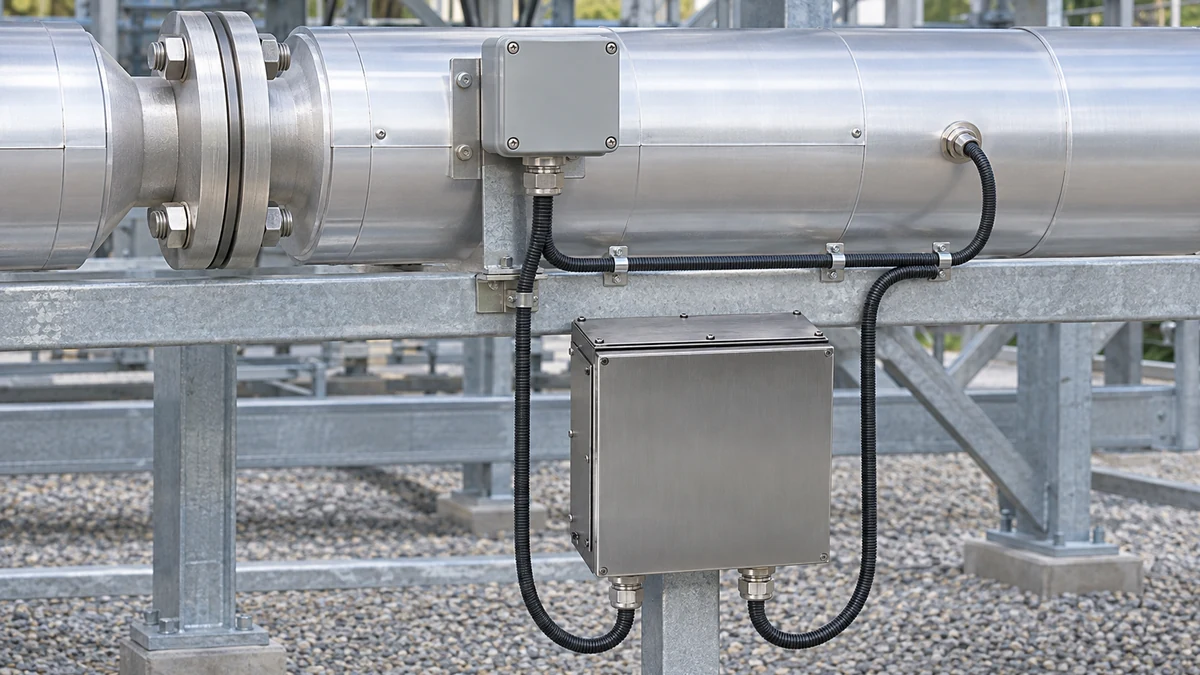
Setting the heating window
· Viscosity versus temperature: Find the lowest temperature that brings viscosity within what the pump, strainer and meter accept; that is the lower edge.
· Hold test at candidate temperatures: Measure viscosity growth in samples kept at candidate temperatures for a set time; the highest temperature with acceptable growth is a candidate for the upper edge.
· Loss of water and volatiles: Excessive preheating can drive off water and low boilers early and plug lines; vapor formation also disturbs metering.
· Flash point: IEA reports 40–110 °C for biomass oil; holding oil near or above its flash point may call for the hazardous area classification to be revisited.
· Equipment limits: Meter electronics, seals and hoses can narrow the window further.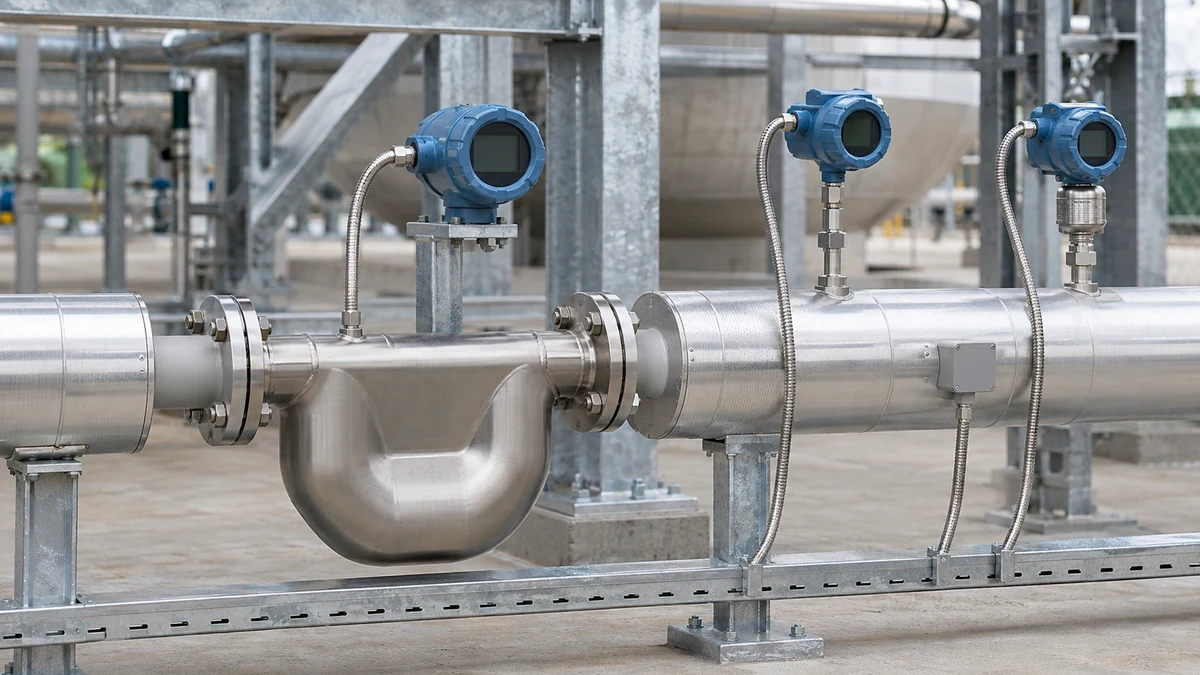
A different heating architecture from heavy oil
Heavy fuel oil is typically kept hot in its storage tank. VTT instead recommends heating biomass pyrolysis oil in the line just before use, because it polymerizes when held at moderate temperature for long periods. Recirculating heated oil to the tank without cooling is not advised, and prolonged recirculation with thermal cycling seriously degrades quality and raises viscosity. That changes the whole transfer layout: the tank stays close to ambient, heat is applied only during transfer and only where needed, and a cooler on any return line is considered.
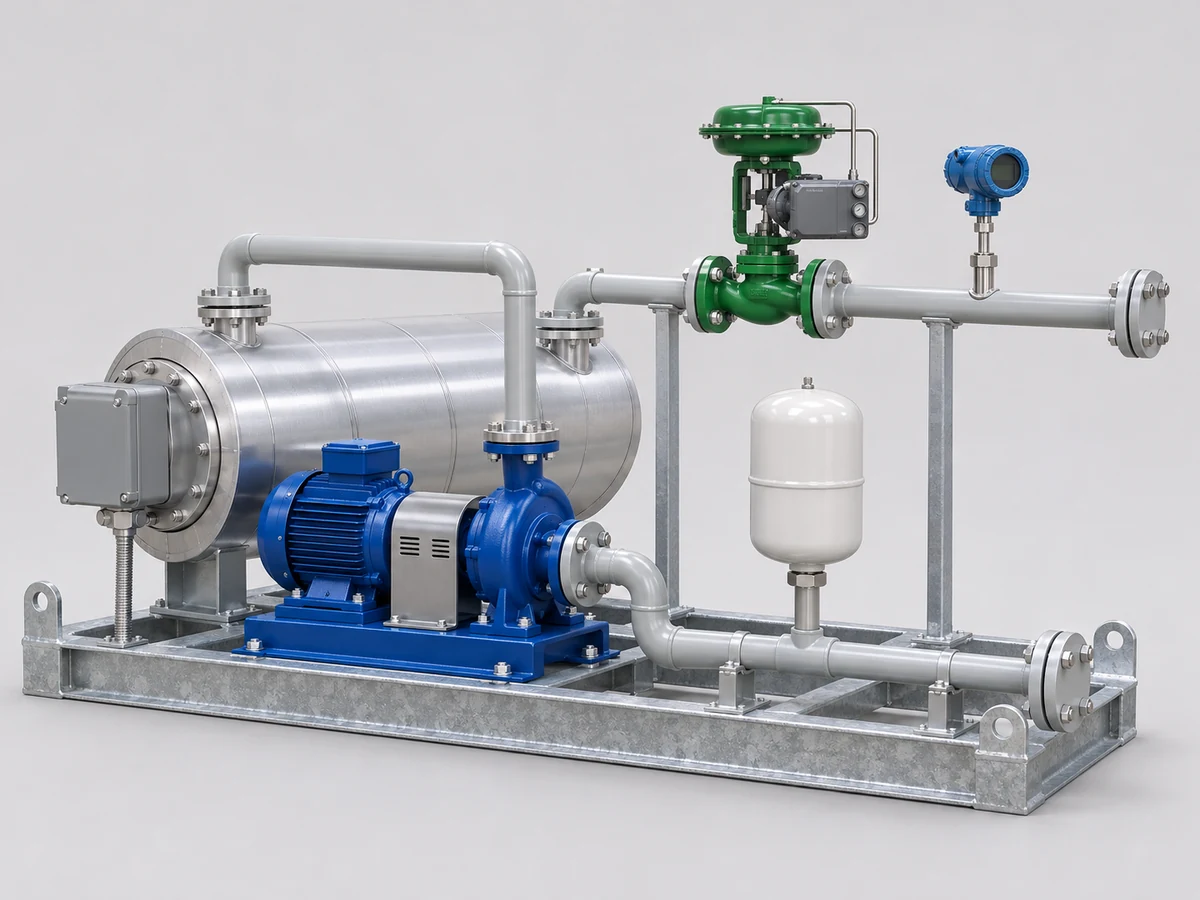
Heating methods viewed from a pyrolysis oil standpoint
Method | Benefit for pyrolysis oil | Watch-out |
Warm-water heat exchanger | Low, steady surface temperature; the kind of indirect heating VTT recommends | No stagnant zones inside; access for cleaning |
Jacketed pipe or jacketed tank | Spreads heat over a large area at low temperature | Heating medium temperature set against the product's upper limit |
Electrical heat tracing | Flexible, controllable temperature maintenance on pipe and valves | Limit on sheath temperature; hazardous-area design to the applicable standards |
Steam tracing | Convenient where steam is available | Steam temperature can exceed the product limit; local overheating at contact points |
Direct heaters (immersion, fired) | High heat input | Coking risk from high surface temperature; generally avoided |
Tracing, control and insulation
Where electrical trace heating is used in a hazardous area, the standard for electrical resistance trace heating in explosive atmospheres frames the design; in non-hazardous industrial areas the general trace heating standard does. With pyrolysis oil the design weight shifts from heat output to temperature limiting: an over-temperature limiter alongside the control thermostat, cable selected so its sheath stays below the product limit, sensors at the coldest and hottest credible points, and alarms passed to the control system.
The problem grows when flow stops, because stationary oil sits against the heated surface for longer. Tracing control can therefore be tied to flow status, and for long stops draining and flushing the line with a compatible solvent is usually preferable to keeping it hot. Dead legs, instrument tappings and unused branches are places where hot, stagnant oil can linger and should be designed out. Insulation cuts heat loss and cold spots, while removable covers on valves and strainers keep maintenance access.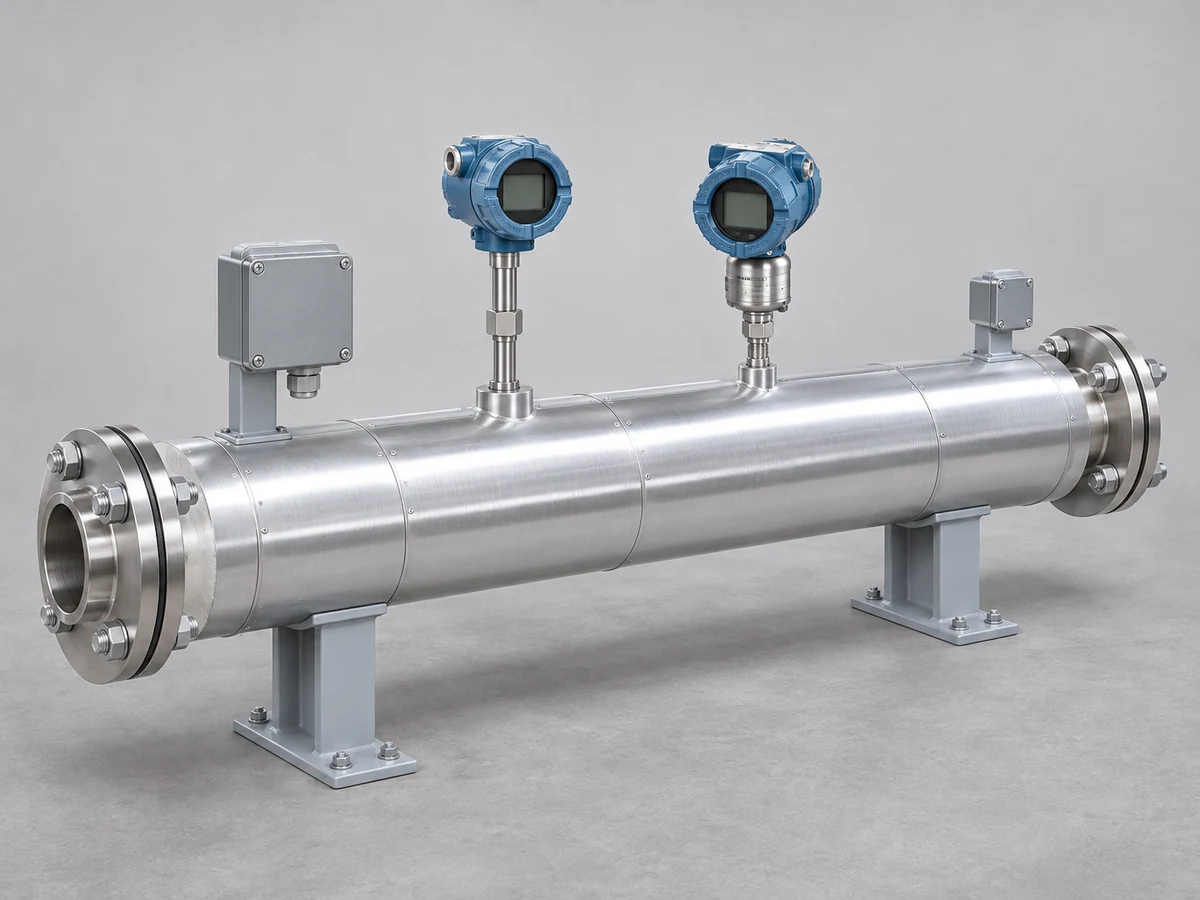
Meters and instruments
Heating jackets offered for Coriolis sensors help hold sensor temperature steady, but manufacturers require transmitter ambient limits to be respected and may call for a remote-mounted transmitter. Meters, pressure and temperature transmitters and their seals must be rated for the top of the heating window. Metering skid design is covered on the pyrolysis oil metering skids page.
How TLY Energy contributes
Depending on project scope, TLY Energy can provide engineering support for selecting and supplying temperature, pressure and flow instruments, specifying pumps and valves for the process conditions, integrating heating and trace heating control signals into PLC- or SCADA-based monitoring and alarms, and for site installation, testing and commissioning. Temperature limits rest on the product owner's analysis data, and the supply scope for trace heating equipment is agreed at project start.
Inputs for a heated transfer design
· Viscosity measured at several temperatures
· Viscosity growth after holding at candidate temperatures, or stability test results
· Flash point and water content
· Ambient temperature range, line lengths and routing
· Transfer frequency and downtime; whether lines stay full or empty during stops
· Heating media available on site: warm water, steam, thermal oil, electricity
· Hazardous area classification
Related pages
· Heat tracing systems: General comparison of electrical and steam tracing methods.
· Pyrolysis oil truck loading systems: Deciding heating needs on the loading line from product analysis.
· Pyrolysis oil metering skids: Protecting the meter from temperature excursions and fouling.
· Viscous product transfer systems: Viscosity-driven sizing of pumps and lines.
Heating pyrolysis oil: questions
Should the pyrolysis oil storage tank be kept hot?
For biomass pyrolysis oil this is generally not recommended. Aging reactions speed up with temperature, so a tank held warm for long periods can see rising viscosity and phase separation. VTT recommends heating in the line just before use and not returning heated oil to the tank without cooling. For tire and plastic oils the decision follows from product testing.
Up to what temperature can biomass pyrolysis oil be heated?
VTT recommends 40–80 °C for pumping, and IEA Bioenergy states that at 100 °C or more the oil reacts rapidly and forms solid residue. These values apply to biomass fast pyrolysis oil and are general guidance only. The upper limit for a specific product should be established with hold tests and viscosity measurements on that product.
Do the same limits apply to tire pyrolysis oil?
They should not be assumed to. Tire and plastic oils differ in composition from biomass oil, and specifications written for biomass pyrolysis liquid do not cover them. A reliable numeric limit for these oils can only come from the product's own viscosity-temperature curve and stability testing.
Is steam tracing suitable for pyrolysis oil?
It is convenient where steam is available, but steam temperature may exceed the oil's thermal stability limit, and oil in contact with the traced pipe can overheat locally. Warm water, low-temperature jackets or electrical tracing with limited sheath temperature are therefore usually evaluated first.
Should lines stay heated during long shutdowns?
Stagnant biomass pyrolysis oil held warm for a long time ages and thickens. Temperature can be maintained through short stops, but for long ones draining the line and flushing it with a seal-compatible solvent is often the safer route. What counts as a long stop should be set from the product's stability test.