



Keeping heavy oil and fuel oil pumpable and measurable starts with the product's viscosity versus temperature curve. From it you choose an operating temperature window in which the pump, the meter and the loading equipment see the viscosity they were designed for, and then you hold the whole chain, from tank to truck, inside that window. Equipment choices follow from that temperature decision: pumps suited to high viscosity, meters selected for the viscosity range, and heating and insulation that leave no cold spots.
Which products this sector covers
Residual fuel oil is the general term for the heavier oils that remain after distillate fuels and lighter hydrocarbons have been distilled away at the refinery. In heating fuel grades, No. 5 and No. 6 fuel oils are residual fuels of increasing viscosity and boiling range, and preheating is usually required for handling and for proper atomization at the burner. No. 6 fuel oil is used for power generation, space heating, vessel bunkering and a range of industrial purposes. For marine fuels, the international specification separates distillate and residual categories; residual fuels are grouped by sulfur content and ordered by viscosity grade.
Loading-rack metering guidance written for white products such as gasoline and diesel therefore does not transfer directly to heavy oils. An industry guideline on meter selection and installation for road and rail loading gantries explicitly lists heated oils and heavier products among the products it excludes.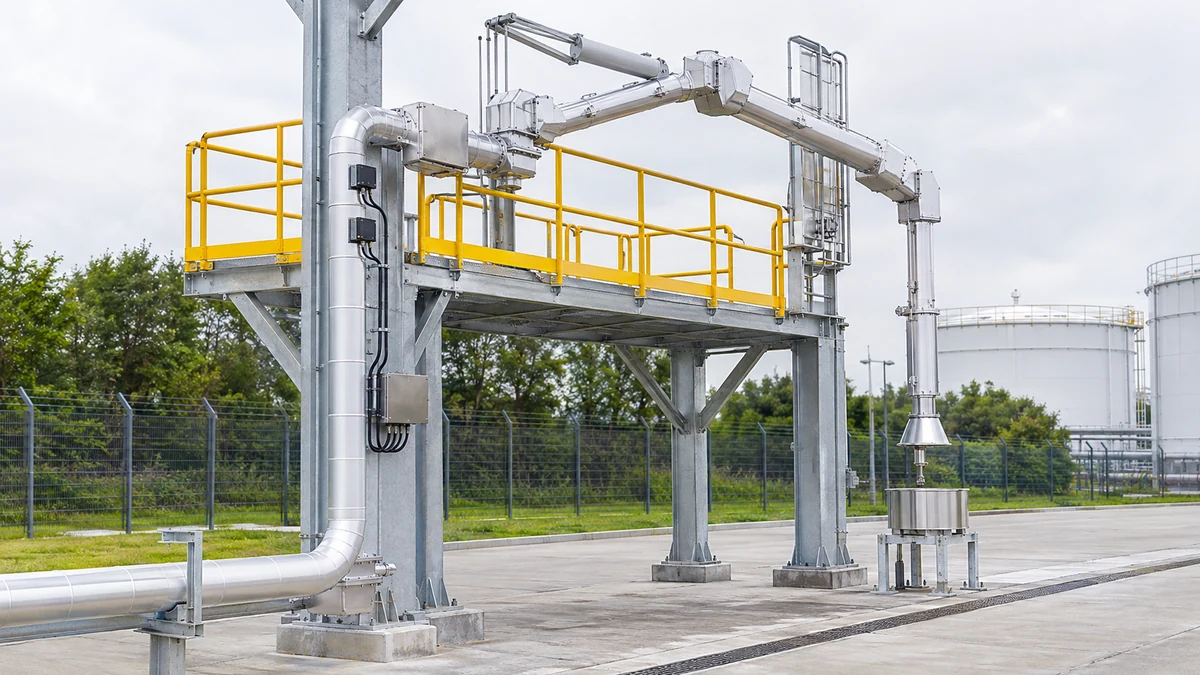
Product data that drive the design
· Viscosity versus temperature: Standard methods estimate the kinematic viscosity of a petroleum product at other temperatures, within a limited range, from measurements at two temperatures. The operating temperature is chosen from this curve.
· Pour point: An index of the lowest temperature at which the product is usable for certain applications. It is not a design temperature but a floor that shows where a line may plug if heating is lost.
· Flash point: Considered when setting the upper heating limit and in hazardous area assessment.
· Density, water and sediment: Affect quantity calculation, filter selection and buildup at the tank bottom.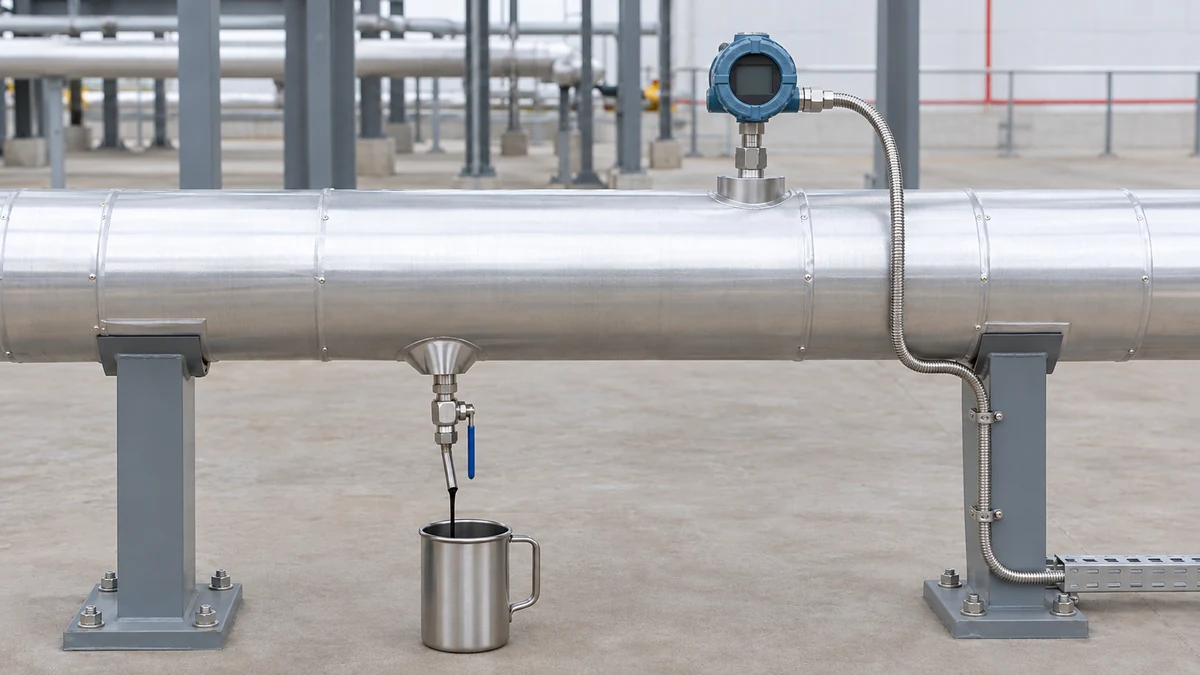
Temperature management: an unbroken chain from tank to truck
At heavy oil facilities the product is usually kept heated in the storage tank. The real difficulty appears when flow stops: idle lines, loading arms, valve bodies, heavy items such as meters and filters, and dead legs cool quickly. Heat tracing or steam and thermal oil jackets protect these points. Electrical trace heating in explosive atmospheres falls under its own standards family, and a separate standard sets general requirements for non-hazardous areas. Heat tracing methods and heated metering skids are covered on their own pages.
The same instinct should not be applied to every viscous product. For pyrolysis oil, whose thermal stability is limited, limited heating close to the point of use is recommended instead of keeping the tank hot. Bitumen, on the other hand, is handled at much higher temperatures and brings its own safety issues.
Pump and meter selection
Centrifugal pump performance in viscous liquids differs from water test results and has to be corrected; positive displacement pumps are often considered at high viscosity. On the metering side, Coriolis and positive displacement meters are the leading options, and the effect of viscosity changes on meter performance and pressure drop is assessed across the product's operating temperature range. The international recommendation for legally controlled liquid measuring systems places high-viscosity liquids above 1,000 mPa·s in an accuracy class with wider error limits; which class applies depends on national legislation and the type of system.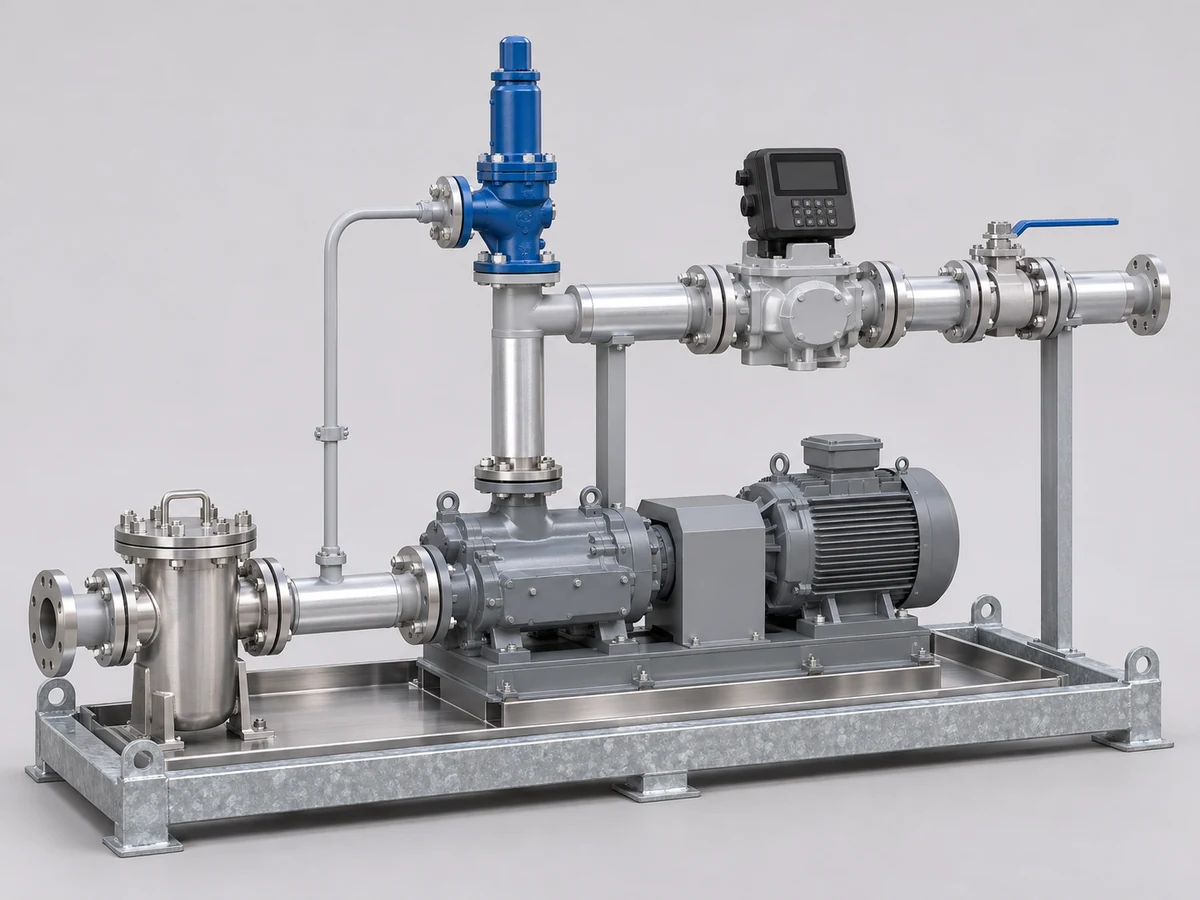
Solution pages in this sector
· Heavy oil truck loading: Keeping the product fluid when loading from heated tanks.
· Fuel oil truck loading: Flexible loading design for different fuel oil grades.
· Heavy oil and fuel oil metering skids: How viscosity shapes technology choice; consumption and transfer metering.
· Heated metering skids and heat tracing: Preventing cold spots and choosing the heating method.
· Viscous product transfer: Pump and line sizing, line clearing.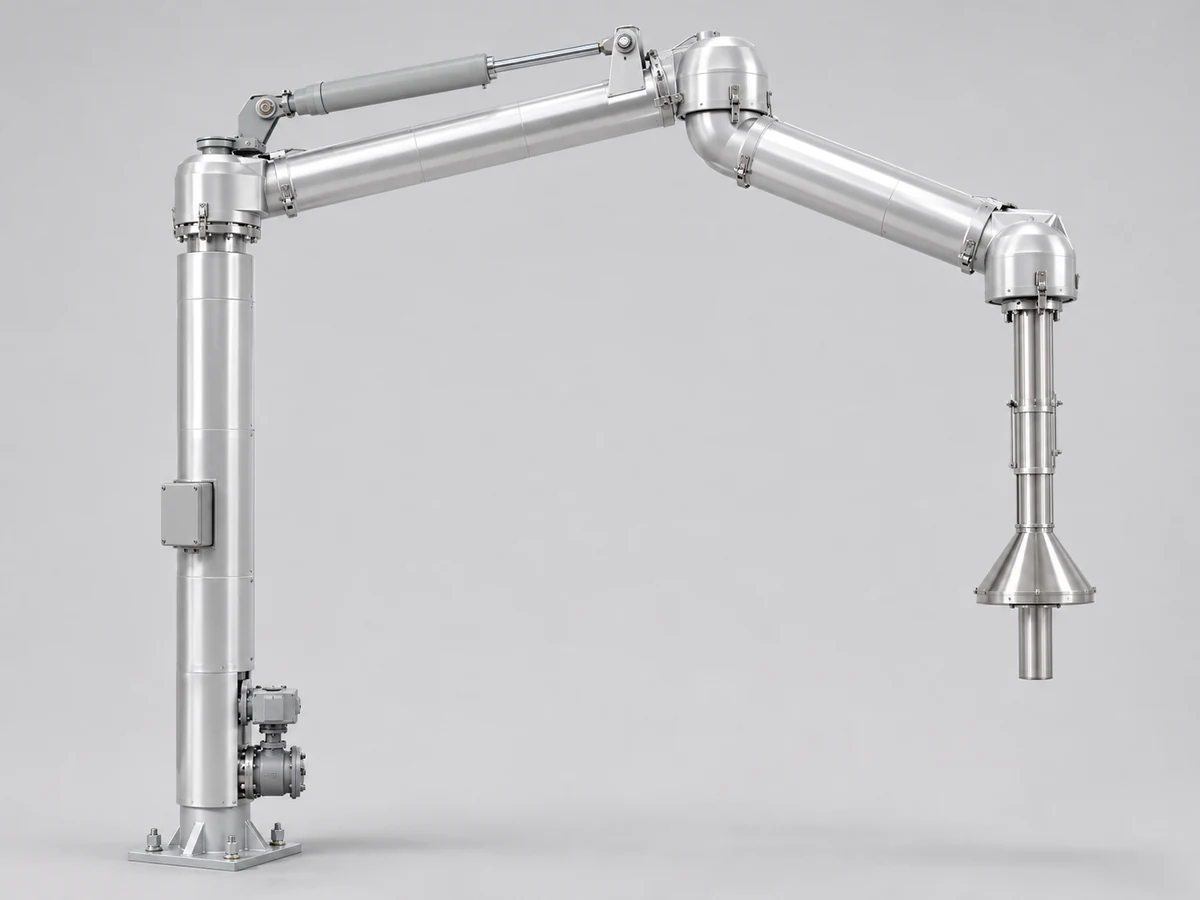
How TLY Energy contributes
Depending on project scope, TLY Energy provides engineering support for selecting measurement and control technology from product data, supplying metering equipment, valves and pumps, system integration, site installation, testing and commissioning, and PLC- and SCADA-based monitoring. The scope of heating infrastructure and civil works is defined separately on each project.
Related pages
· Heavy oil truck loading systems: Holding temperature along the loading chain and clearing lines.
· Heated metering skids for heavy oil and fuel oil: Heating meters, filters and valves.
· Heat tracing systems: Choosing between electrical and steam tracing.
· Bitumen facilities: A viscous product handled at much higher temperatures.
· Pyrolysis oil facilities: A viscous product where heating is limited by thermal stability.
Frequently asked questions
At what temperature should heavy oil be kept?
There is no single value. The temperature is chosen from the product's viscosity versus temperature curve so that the pump, meter and loading equipment see the viscosity they need, while the upper limit is set by flash point, product specification and equipment ratings. Design therefore starts with the product's lab data and gives different answers for different fuel oil grades.
Can a diesel loading system handle heavy oil?
Usually not as it stands. Meters, pumps and loading arms designed for white products do not account for heating, insulation and high viscosity. If an existing line is to be converted, pump capacity, pressure drop, meter type, heating and line clearing each need to be reassessed.
Is the pour point the same as the operating temperature?
No. The pour point is a lower index close to where the product stops moving. A little above it the product flows, but its viscosity may still be far too high for pumping and metering. The operating temperature is set where viscosity falls into the range the equipment needs.