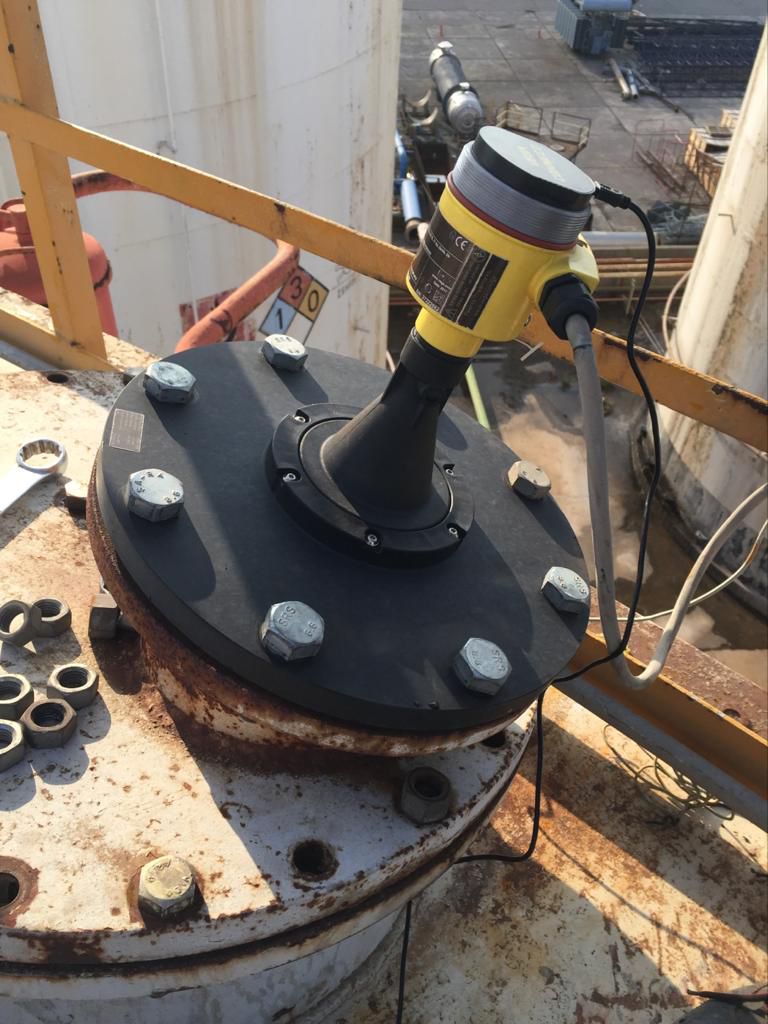
A Clear View of Level Measurement: Reach New Heights with Our Radar Sensors!
What Is a Radar Level Sensor?
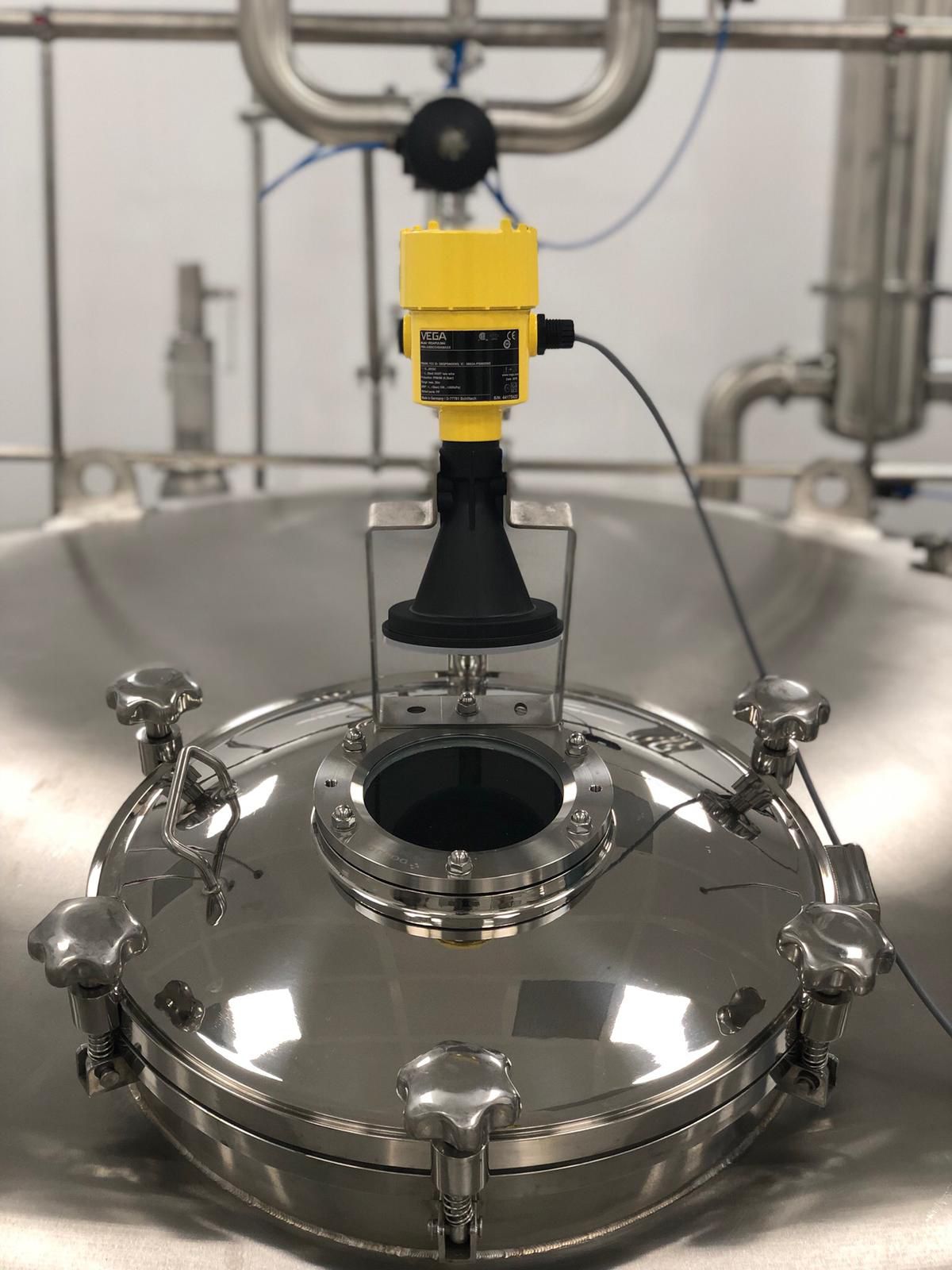
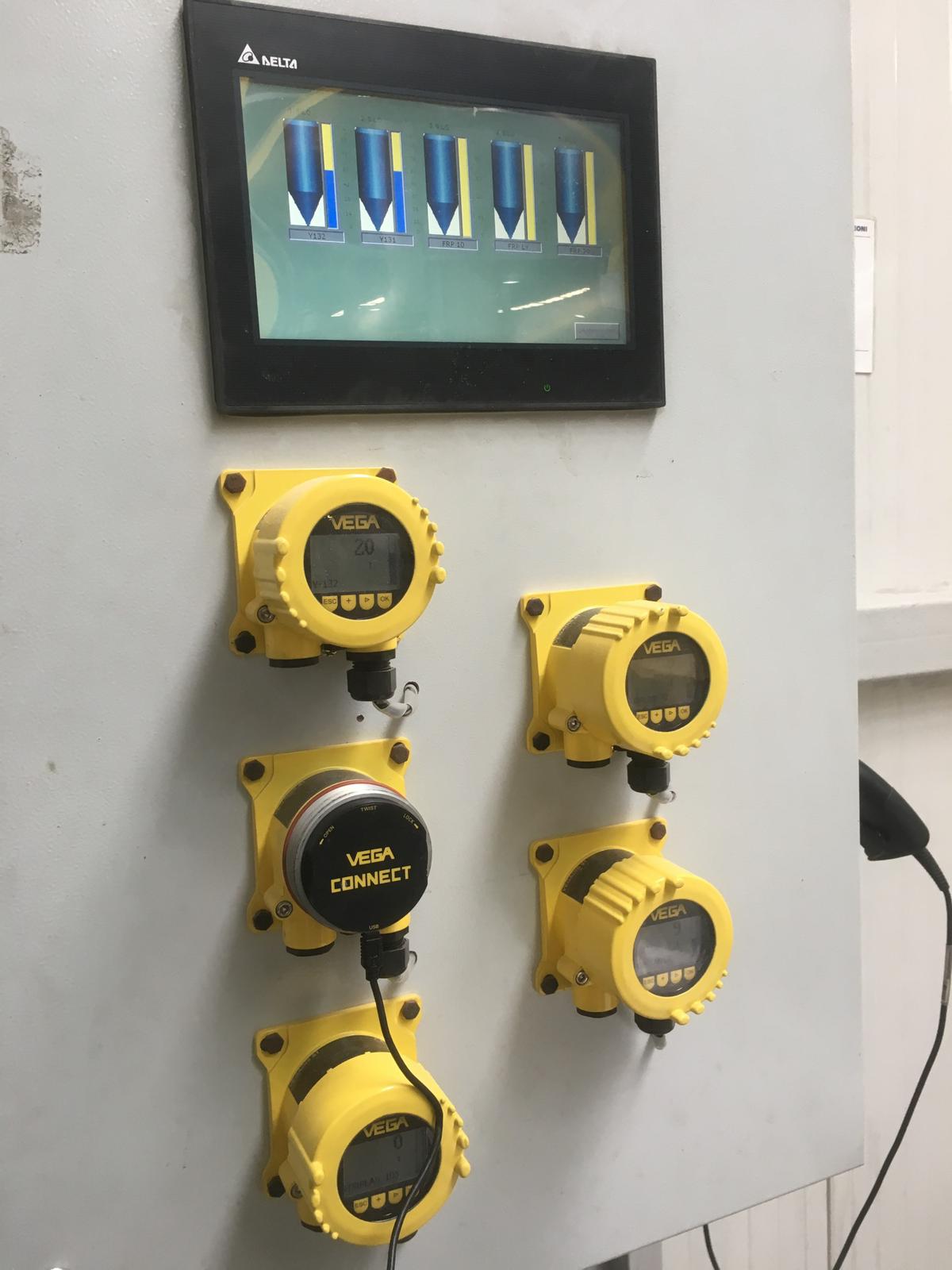
A radar level sensor is an effective device used in industrial applications to measure the levels of liquids, solids, and materials in powder form. The sensor transmits high-frequency electromagnetic waves toward the material surface and determines the level by analyzing the reflected signals. In this way, it accurately measures the level of materials in tanks, silos, storage vessels, and other containers and transmits the resulting data to the control system.
Which Industries Use Radar Level Sensors?
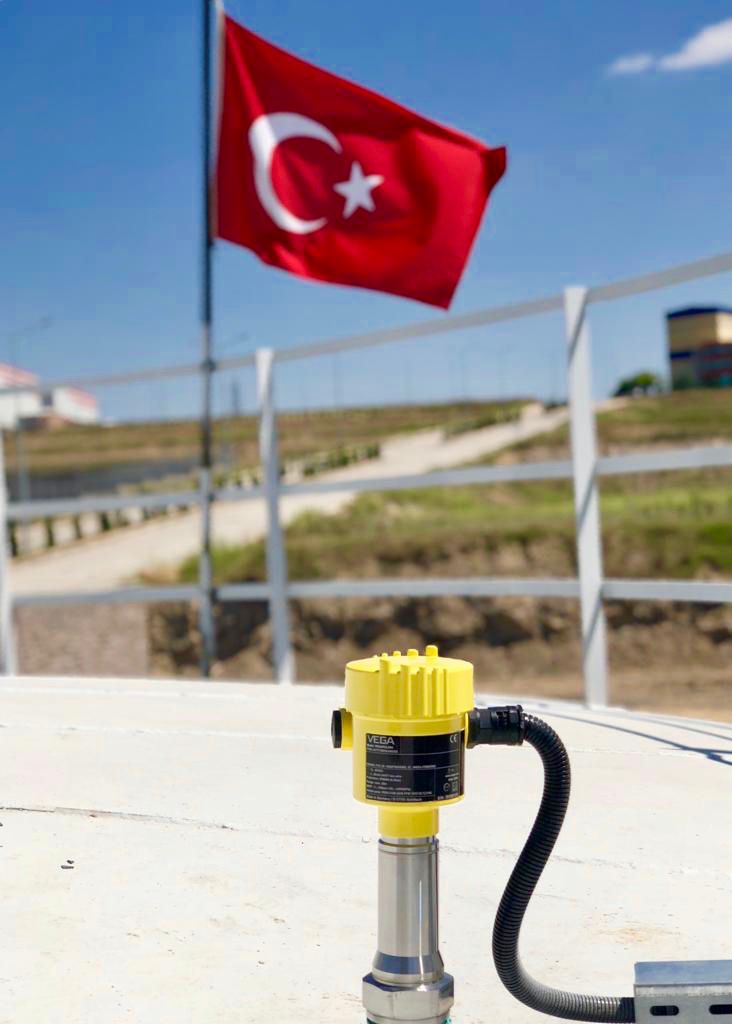
Radar level sensors are widely used in many industries, including chemicals, petrochemicals, energy, food and beverage, water and wastewater treatment, mining, cement, industrial automation, and marine applications. These sensors play an important role in the storage and transportation of products and in the management of production processes across various industrial operations.
80 GHz Radar Level Sensors for Solids:
Frequency: 80 GHz
Measurement Range: Generally suitable for measurement distances ranging from 0.1 to 100 meters.
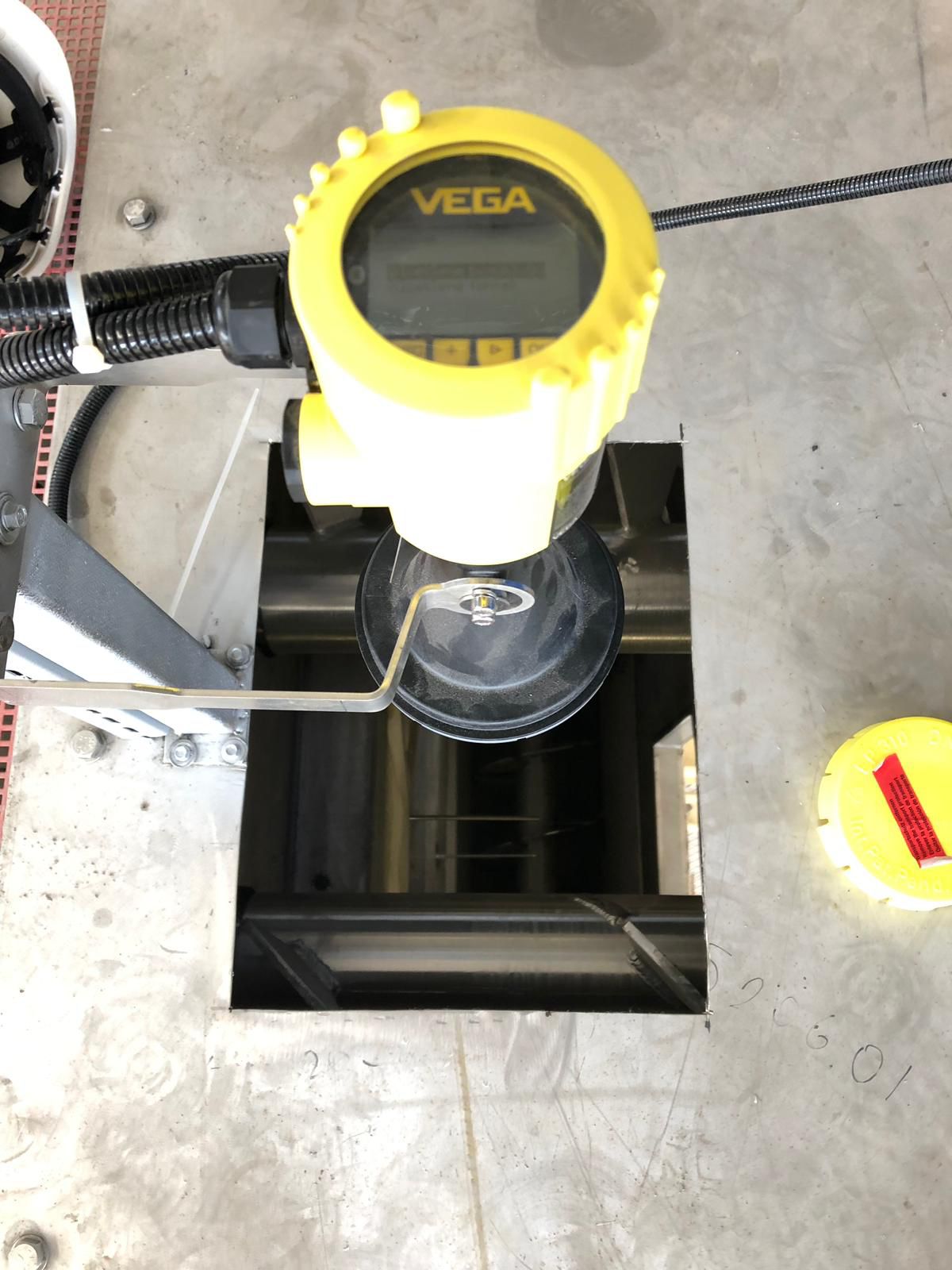
Operating Principle: Directs the radar signal toward the surface of the solid material to provide reliable level measurement.
Dusty and Demanding Environments: Performs effectively in dusty and demanding process environments.
Low-Reflectivity Materials: Provides reliable measurements on the surfaces of solid materials with low reflectivity.
High Accuracy: Detects solid material levels with high accuracy and provides reliable results.
Advantages:
High Accuracy: 80 GHz radar sensors measure the levels of liquids and solids accurately and with high precision.
Reliability: Provide stable and reliable performance under demanding operating conditions.
Long Service Life: Their durable construction provides a long service life and helps reduce maintenance costs.
Easy Installation: Their convenient mounting design allows fast and practical installation.
Flexibility: Can be used in many applications across different industries and are compatible with a wide variety of materials.
At TLY Energy and Defense Industry Inc., we aim to help our customers manage their processes more effectively and efficiently by providing high-performance, reliable, and innovative radar level sensors. We are pleased to contribute to the success of your business by offering solutions tailored to your industrial requirements.