


LITRE METER
Expert Flow Measurement Engineering
What Is Chemical Injection?
Chemical injection is a process in which various chemicals are injected into crude oil to provide protection and support oil production processes. For example, a scale inhibitor prevents scale buildup in pipelines and fittings used to transport oil to the refinery. Flow meters are used to monitor and control the quantity of chemicals added to crude oil, while biocides prevent the accumulation of organisms inside pipelines.
Corrosion inhibitor is one of the most commonly measured additives; however, different types are available depending on the nature of the base fluid. A pour point depressant is added to reduce the pour point, allowing the oil to flow more easily through main pipelines. Most of the chemicals added are used at low flow rates ranging from 0.01 to 40 liters per hour. For LDH, or Low Dosage Hydrate Inhibitor, injection rates can reach up to 17,000 liters per hour in some applications. This inhibitor is designed to prevent freezing in water-based mixtures that might otherwise have a tendency to freeze.
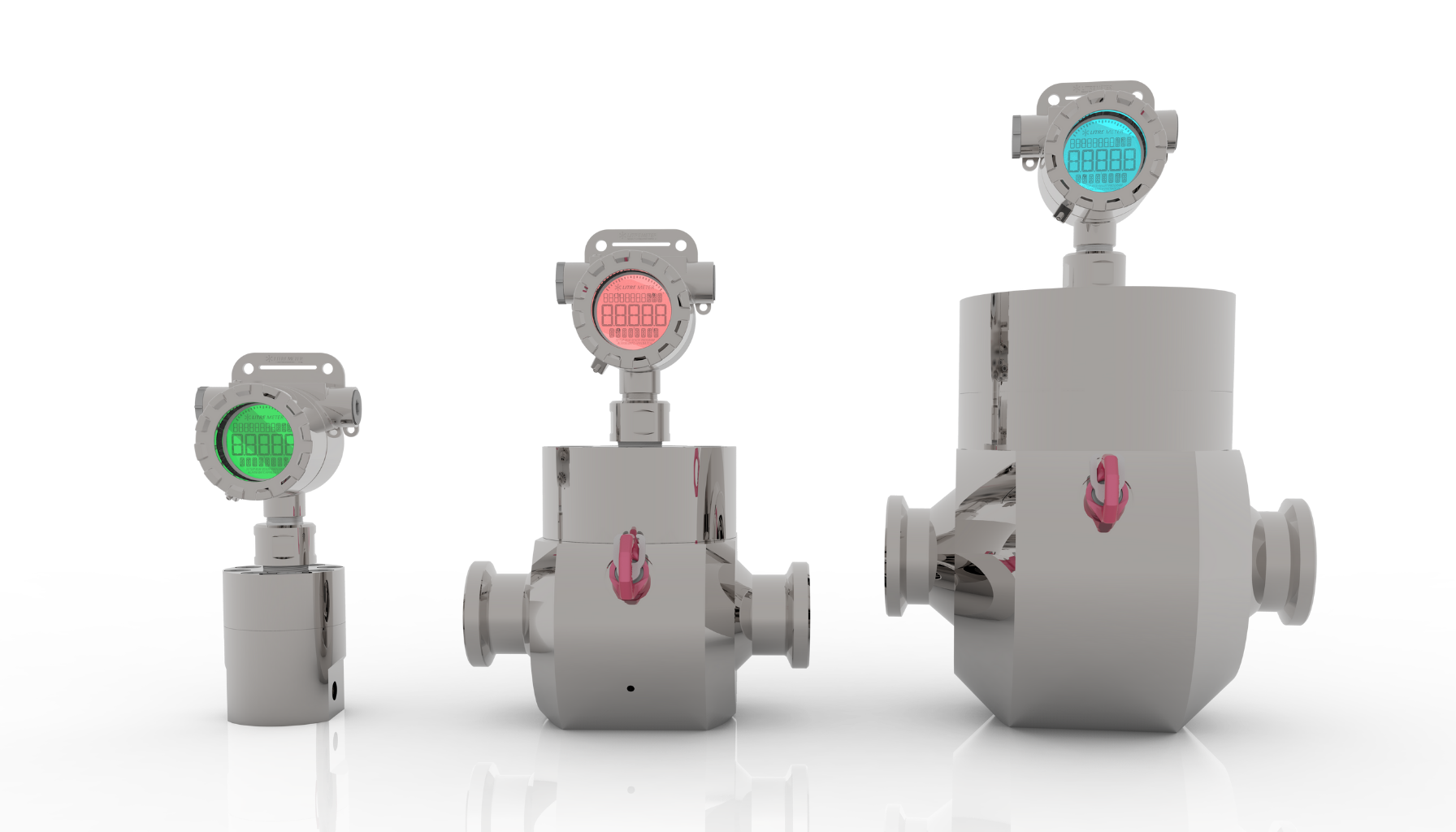
With some Positive Displacement flow meters, a typical turndown ratio of 500:1 can be achieved. System dynamics are generally relatively slow, requiring only minor adjustments from day to day; therefore, manual control is still widely used. Chemical flow measurement systems must be capable of handling the pulsating operating characteristics of the pumps used, as well as the high pressures encountered. In modern subsea injection systems, these pressures can reach up to 1,380 bar / 20,000 psi / 20 ksi. In topside injection applications, pressures are typically between 200 and 1,000 psi.